


Welcome to HCI, a roundup of the key trends affecting all things employee. The newsletter aggregates and synthesizes the most important trends, data and stories from consultancies, trade bodies, and research organizations.
Applying my decades of experience to the most pressing challenges organizational facing leaders, I intend on making this newsletter your island of intelligence in a sea of data. Email me at ken@stibler.me with with ideas, feedback or anything else you find interesting.
1/5 Labor Markets: The Great Reshuffling Ends but Workplace Turbulence Remains.
As the dust settles on the "Great Reshuffling," the labor market is showing signs of stabilization, with fewer workers leaving their jobs compared to the peak in 2022. However, the repercussions of this seismic shift in job switching over the last three years are far from over, leaving leaders grappling with a host of new challenges. The most pressing among them is the issue of employee engagement.
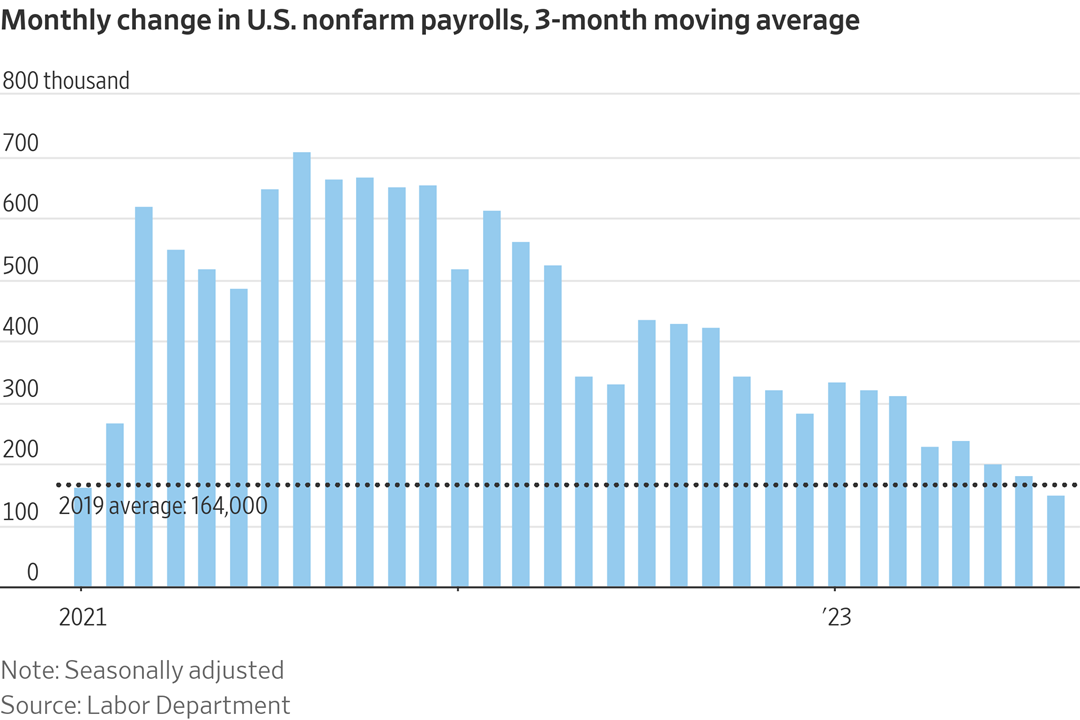
The constant churn of employees seeking new opportunities has left many organizations struggling to keep their workforce motivated and committed. Employee disengagement is on the rise as workers who weathered the storm of the pandemic now face burnout from the constant changes in their workplace. Leaders must find innovative ways to rekindle employee enthusiasm and prevent talent attrition.
Management, too, has borne the brunt of the not-so-Great Reshuffling. The demands of adapting to new team dynamics, onboarding fresh talent, and retaining existing staff have taken a toll on leaders. Management burnout is a looming concern that organizations need to address urgently to ensure their leaders remain effective and resilient in these turbulent times.
In this post-reshuffling landscape, organizations must navigate the delicate balance of retaining and engaging their workforce while addressing management burnout. The challenge lies in creating a stable and sustainable workplace environment that can weather future disruptions and adapt to the ever-evolving dynamics of the modern workforce.
2/5 Training, and Education: What’s Driving Doubt of GenZ’s Workplace Readiness?
Concerns about Gen Z's readiness for the workforce are on the rise, with 40% of leaders expressing doubts about their preparedness, according to a recent survey by Intelligent.com. These doubts primarily center around perceived deficiencies in work ethic and communication skills. Many leaders believe this generation's remote education during the pandemic and reliance on digital communication have contributed to these challenges.
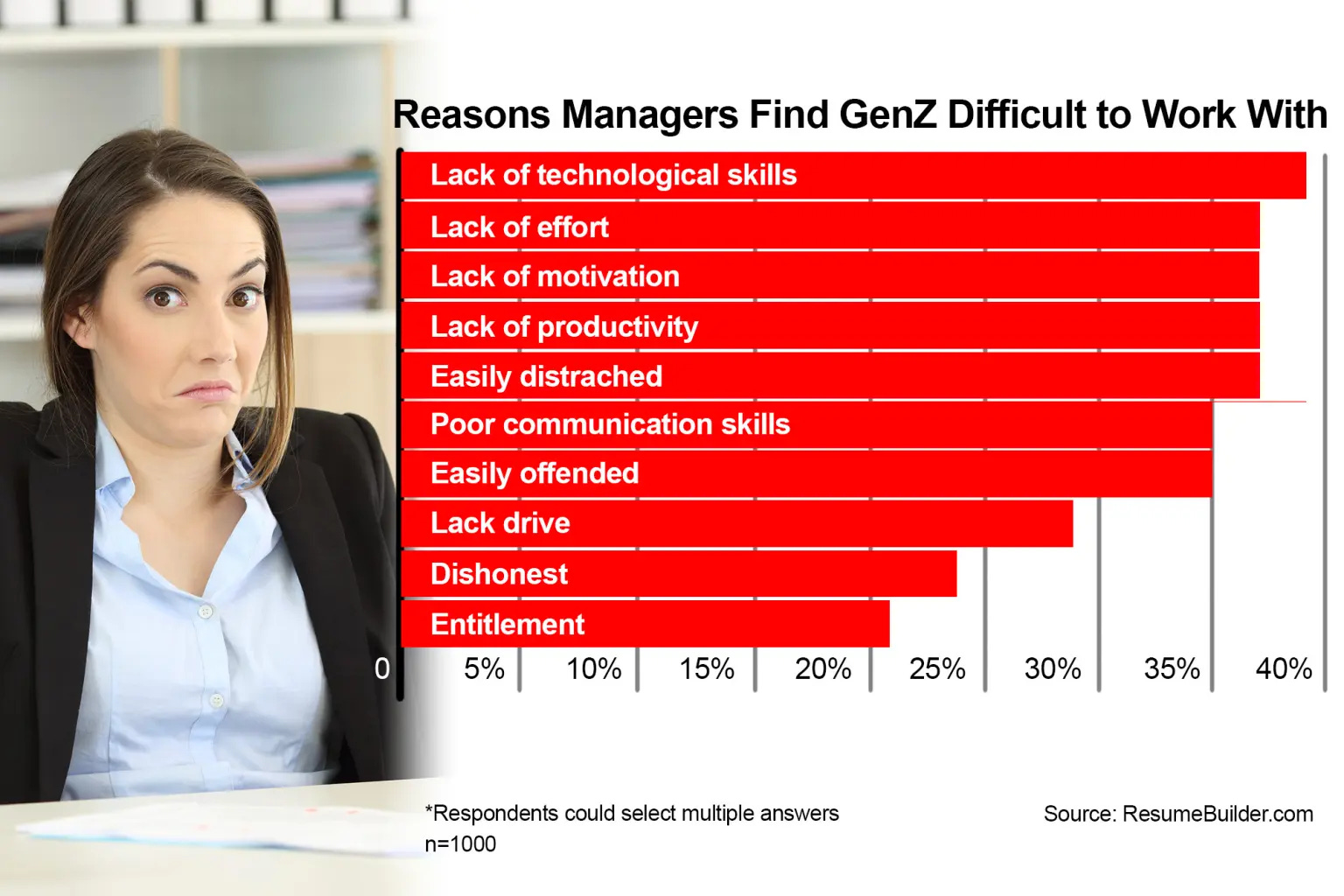
However, it's important to recognize that Gen Z brings unique strengths, particularly in technology fluency. To bridge the communication skills gap, organizations should consider offering training in fundamental interpersonal skills, such as eye contact and handshakes. This investment in "back-to-basics" training can yield substantial benefits, as Gen Z employees are hungry for knowledge and skills and often prioritize workplaces that provide opportunities for learning.
Leaders and HR professionals should also define specific areas of unpreparedness to avoid generalizations, focusing on areas that can be improved through coaching and mentorship. Ultimately, understanding and embracing the digitally native and growing working cohort of Gen Z presents both an opportunity to navigate AI and a necessity as the baby boomers retire.
Bonus: Learning and Development Function Climbs in Importance
Younger employees often cite training and development opportunities and their number 1 desired perk - suggesting they now they aren’t too prepared either - meanwhile companies are also facing pressures to adapt to rapid technological and economic changes. Amid this broader demand for organizational adaptation capabilities, 82% of HR executives surveyed by LinkedIn over the summer agree that the Learning and Development Function is more critical than ever. Despite this, the LinkedIn 2023 workplace report found that most HR departments reply on insufficient metrics like program attendance and employee satisfaction with to demonstrate impact.
3/5 HR and Compliance: Department of Labor Proposes Extension of Overtime benefits for Millions of Americans.
The U.S. Department of Labor's proposed overtime rule change, which seeks to increase the minimum salary threshold for overtime eligibility to $55,068 per year, carries significant potential costs and hurdles for businesses. The proposal would extend overtime eligibility to around 3.6 million workers and include an automatic update which could lead to regular increases, further exacerbating costs over time.
Yet, the rule's path to implementation is far from certain. Similar proposals have faced successful legal challenges and business advocates have already expressed that lawsuits challenging the proposal are likely. For any company with large numbers of employees below the salary cap, directing HR to assess the cost of the rule given current overtime levels is prudent.
4/5 Culture, Engagement, and Performance: Remote Workers Disengagement Spikes, One Company Developed an RTO Policy that Employees Actually Like
Gallup's analysis reveals a concerning trend in the realm of remote work: a significant disconnect between employees who can work remotely and their organizations' mission and purpose. This disengagement among remote workers is particularly pronounced, with a record-low 28% strongly agreeing that they feel connected to their organization's mission and purpose. This finding raises red flags, especially in a world increasingly characterized by hybrid and remote work.
The implications of this disconnection are far-reaching. When employees lose sight of how their work contributes to the broader organizational mission, it can lead to what Gallup terms "psychological separation." This means that employees may become detached, feeling like isolated gig workers rather than integral parts of their organizations. Such disengagement could impact customer and employee retention, overall productivity, and the quality of work delivered.
5/5 Innovation and Disruptions: AI promises additional disruption for white collar workers and pressure on managers.
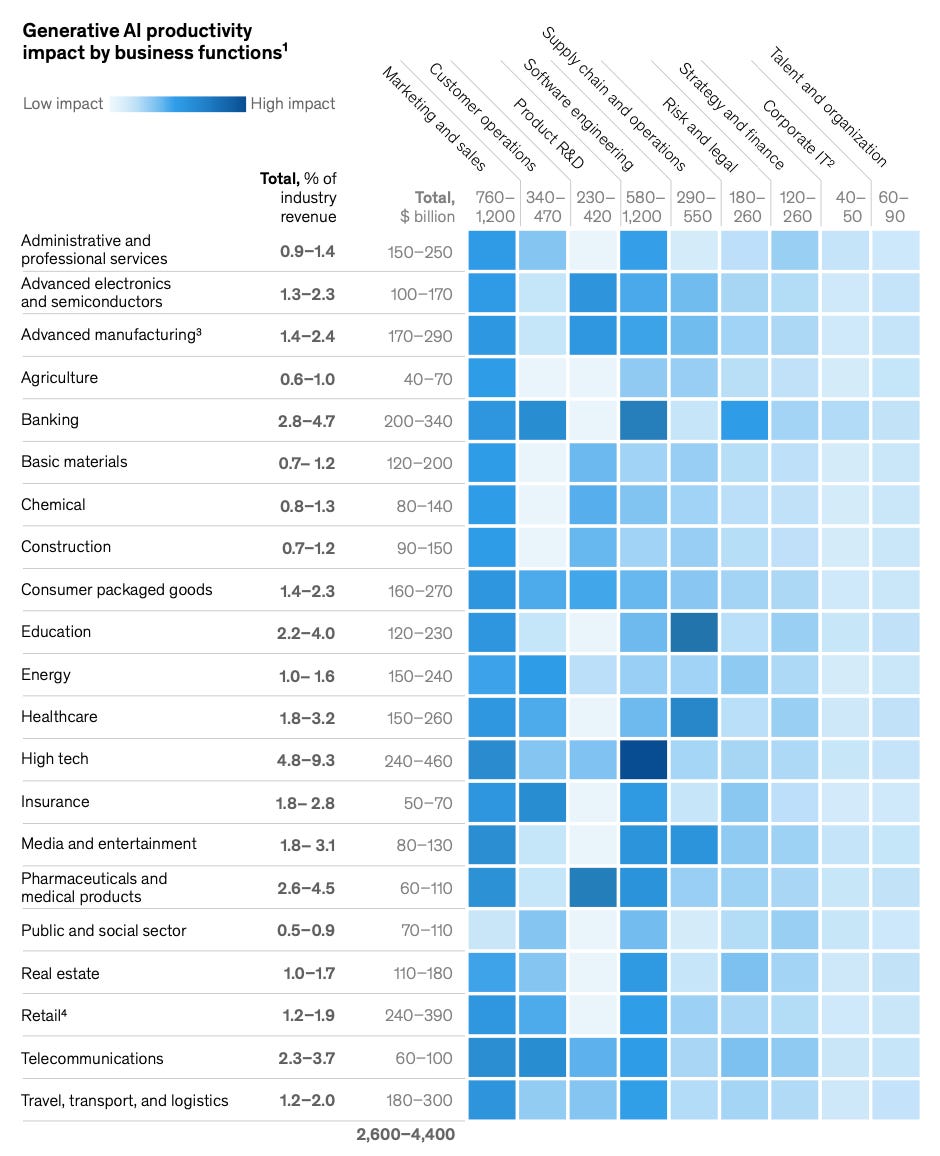
As the world embraces AI's transformative potential, there's no denying its staggering economic implications. McKinsey's recent analysis reveals that generative AI, once considered a tool for routine tasks, now holds the promise of adding between $2.6 trillion to $4.4 trillion to global economies annually. It's a game-changer, with the lion's share of this value expected to fall within customer service, marketing, software engineering, and research and development sectors. However, the remarkable rise of AI comes with its own set of challenges, especially for white-collar workers.
A recent Gallup survey reveals that the fear of becoming obsolete, often referred to as "FOBO," has surged among U.S. workers in the past two years. While less than a quarter express direct concerns about job displacement by AI, the overall fear of obsolescence has grown by 7%, predominantly among college-educated employees. This transformation in AI's role, particularly in sophisticated language-based tasks, raises apprehensions among workers about their career trajectories. As we navigate this AI-driven landscape, organizations must address these employee insecurities while also preparing for the disruption AI brings.
Managing the pressures generated by AI disruptions requires a multifaceted approach. First and foremost, organizations can embrace AI in their learning and development initiatives to build resilience. Investing in AI training tools for upskilling and reskilling is pivotal in easing employee stress. Additionally, emphasizing the value of "human" skills, such as problem-solving and imagination, can boost employee confidence in an AI-driven world. The goal is not just to harness AI's potential but to empower employees and middle managers to thrive amidst this transformative wave. In doing so, businesses can harness AI's power while ensuring their workforce remains engaged and adaptable, thus securing a bright future for both employees and organizations.
What Ken’s Reading
Human Capital, Training and Education
Building the agile Future. L&D puts people and skills at the center of organizational success. (Linkedin Learning)
More companies see ChatGPT training as a hot job perk for office workers (CNBC)
How to make learning a treat, not a task. (TLNT)
The downsides of upskilling programmes - Some graduates of retraining schemes are struggling to find work despite their new credentials. (Financial Times)
Why companies need to raise their game on skills training - Jobs are evolving fast — but too many employers are not helping their staff keep up. (Financial Times)
Some 44% of employers around the globe plan to increase hiring in Q4 - Recruiters are turning to less traditional candidates to help fill skills gaps and job openings. (HR Brew)
Culture Engagement and Performance
Work Shift: Here’s How to Take Advantage of Unlimited PTO (Bloomberg)
New Survey from RethinkFirst Reveals Nearly 74% of Parents Missed Work Last Year to Address Their Child's Mental Health or Academic Performance (RethinkFirst)
How to Become a Great Manager (And Why It Matters) (TalentCulture)
Welcome to the ‘Great Gloom’: Employees seem unhappier than ever. (HR Dive)
The Manager Squeeze: How the New Workplace Is Testing Team Leaders (Gallup)
New Study Reveals Generational Differences in Workplace Benefits Priorities (LIMRA and EY)
HR Function, Compliance, and Law
‘Friday is just a dead day’: how a summer perk became a year-round staple. (FT)
Did the Supreme Court just cancel DEI? A view on the SFFA Decision. (APT Metrics)
More states join paid leave trend, making it harder for employers to keep up. A (HR Dive)
The threat of unregulated tech is bringing organized labor together (Fast Company)
What to know about this summer’s strike activity. What’s spurring the rise in labor actions? (Economic Policy Institute)
4 in 10 workers with a 401(k) don’t contribute, CNBC survey finds. (CNBC)
Criminal history questions come with new limits for federal contractors, agencies (HR Dive)
Washington among top states for workers, report finds (Axios)
Workplace Disruption
Companies Increasingly Fear Backlash Over Their AI Work. (WSJ)
Generative AI Will Disrupt Career Paths, Recruiting. (SHRM)
AI at Work: What People Are Saying. (BCG)
How Generative AI Could Disrupt Creative Work (HBR)
72% of Top CHROs See AI Replacing Jobs — And Workers Aren't Ready (Gallup)
Remote workers are less likely to take vacation, analysis shows (HR Dive)
4 in 10 Companies Will Be Using AI Interviews by 2024. (Resume Builder)