

Welcome to the latest edition of Human Capital Intelligence, your weekly brief synthesizing over 250 leadership, HR, and people sources to filter out the noise. As always, we would love to hear from you at ken@reyvism.com with questions you’d like answered or topics covered.
Sent this by a friend? Sign up here to receive HCI in your inbox every week.
By Ken Stibler; Powered by Reyvism Analytics

As we wind down the year, mentally prepare for a strong start in the next
The past two years have both opened the same way: January 1 arrives, everyone hopes for a clean slate, and instead the year starts with a tired slog. The combination of layoffs, restructuring, and nonstop change meant most teams entered 2024 and 2025 depleted rather than energized. This December is no different. The rest is necessary and well deserved, but it also makes it easy to tune out the reality that the pressures shaping this past year will show up again the moment people return to work.
Peculiar Problem Preview:
Wealthy Americans head to dollar stores as affordability pinches consumers: (Financial Times)
The ‘forever layoffs’ era hits a recession trigger as corporates sack 1.1 million workers through November. (Fortune)
Top consultancies freeze starting salaries as AI threatens ‘pyramid’ model. (Financial Times)
Agents, robots, and us: Skill partnerships in the age of AI. (Mckinsey)
Companies likely have ‘lowered their tolerance for change’. (HR Dive)
What’s waiting for leaders next year isn’t a new set of problems but the sharper version of the ones we already feel. Consumers are stretched. Companies are squeezing productivity out of AI while talent systems fall behind. Pay structures and early-career pathways are shifting while tolerance for constant transformation is falling. The pattern is familiar: expectations rise, capacity doesn’t, and the gap creates friction everywhere from hiring to retention to performance.
That’s why leaders can’t assume a reset will fix anything. The world we’re entering will demand clarity, better solutions, and a willingness to confront the issues we avoided when fatigue set in. Turning off old problems has never made them disappear, and 2026 won’t be an exception. Starting well next year depends on entering it with open eyes, not optimistic amnesia.
Leading successfully requires an increasingly odd mix of skills
Leadership has always required range, but the range required now is getting wider. New research from Fortune shows that leaders are expected to operate in two modes at once: steady enough to hold a culture together, bold enough to push it somewhere new. Leaders who once succeeded through deep expertise now succeed through adaptability and a willingness to grow at pace.
The emotional load is equally real. Leaders sit in the middle of pressures they often can’t share, and the resulting isolation can make judgment foggy and pace harder to sustain. The antidotes they describe are practical: build a portfolio of relationships you can rely on, keep a clear view of what you still need to learn, stay humble enough to keep growing, and confident enough to make the hard calls. Leaders who handle this moment well are not the ones with perfect answers; they are the ones who expand their capacity to handle uncertainty without losing clarity.
Quote of the Week: Not a good sign for SMBs
“[W]hile November’s slowdown [in hiring] was broad-based, it was led by a pullback among small businesses. Companies with fewer than 50 employees shed 120,000 jobs, the largest one-month decline since May 2020.”
— Nela Richardson, chief economist at ADP and a contributor to Bloomberg Television on how small business caution is showing up in cuts.
Reading List:
AI is ‘de-skilling’ employees
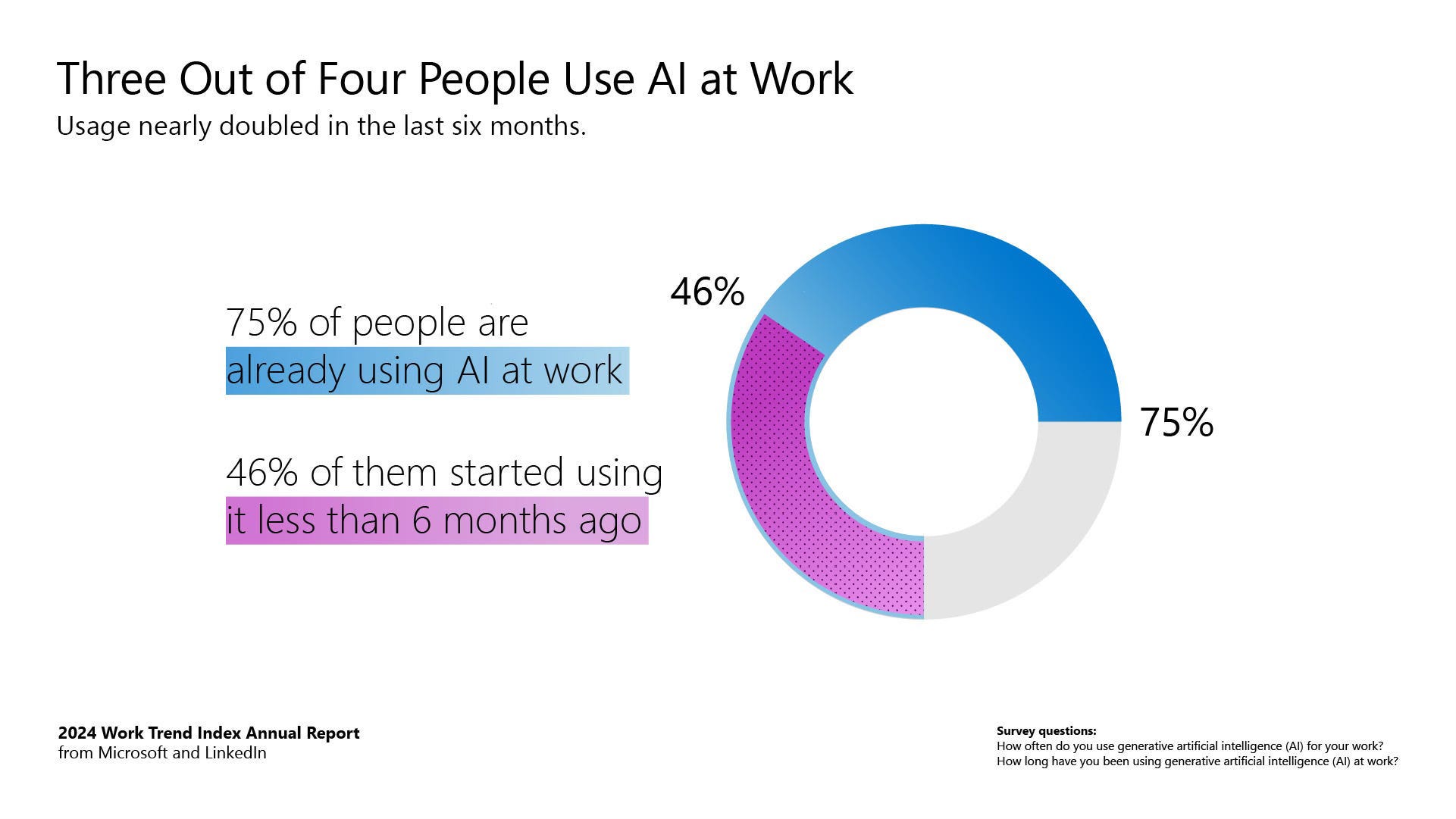
AI is allowing employees to move faster, but it is also eroding the very learning process that creates competence. Workers who depend on the tool too early skip the hard thinking that builds judgment, and the result is a widening gap between output and understanding. People across functions now default to AI for decisions they once reasoned through themselves, weakening their ability to assess, verify, or challenge the answers they receive. Leaders who treat AI as a simple productivity gain risk building teams that can execute quickly but struggle the moment independent thought is required.
Are managers responsible for “parenting” employees?
Managers are now being asked to intervene in problems as fundamental as handwashing, a sign of how far workplace norms have slipped. When employees look to leadership to correct behavior that belongs squarely within basic adult responsibility, it signals a deeper reluctance to address simple issues directly. This upward escalation turns managers into custodians of everyday conduct and diverts attention from the real work of performance and culture.
Remembering how to do the office holiday well
From companies HCI has spoken with recently, it anecdotally seems like the company Christmas party is back in a major way this year. As fun as it is, it also brings back risks many have forgotten as alcohol, fatigue, and looser social boundaries mix. Basic courtesy and genuine appreciation build trust quickly, while careless behavior can undermine it in moments. The season offers rare chances for authentic connection, but those moments go to people who show restraint, awareness, and an understanding that professionalism does not take the night off.
Data Point: Efficiency trumps risk
65%
Percentage of talent acquisition leaders who say they’re implementing AI in the hiring process (despite ongoing concerns of bias and liability)
In Other News
Learning to lead in a world of spiralling complexity. (Financial Times)
Talent development pros want more training, too, research shows. (HR Dive)
The New, In-Demand Job Skill: Being a TikTok Influencer for Your Company. (Wall Street Journal)
Employees Call Workplace Nepotism Widespread and Damaging to Morale. (Inc)
Does working from home really kill company culture? (The Economist)
SHRM gets sued: When litigation raises tough questions about culture. (HR Executive)
How tech broke the job market: Applying to a job in 2025 is the statistical equivalent of hurling your resume into a black hole. (Business Insider)
Brillant insight on AI de-skilling. The gap between output and understanding is gonna bite organizations once people need to make judgements without the tool as a crutch. Early adoption without guardrails means teams might look productive in metrics but struggle when critcal thinking is actually required. This is where intentional learning design becomes crucial for long-term capability building.