

Welcome to the latest edition of Human Capital Intelligence, your weekly brief synthesizing over 250 leadership, HR, and people sources to filter out the noise. As always, we would love to hear from you at ken@reyvism.com with questions you’d like answered or topics covered.
Sent this by a friend? Sign up here to receive HCI in your inbox every week.
By Ken Stibler; Powered by Reyvism Analytics
Preparing for the wave of employees as retirement becomes out of reach for millions
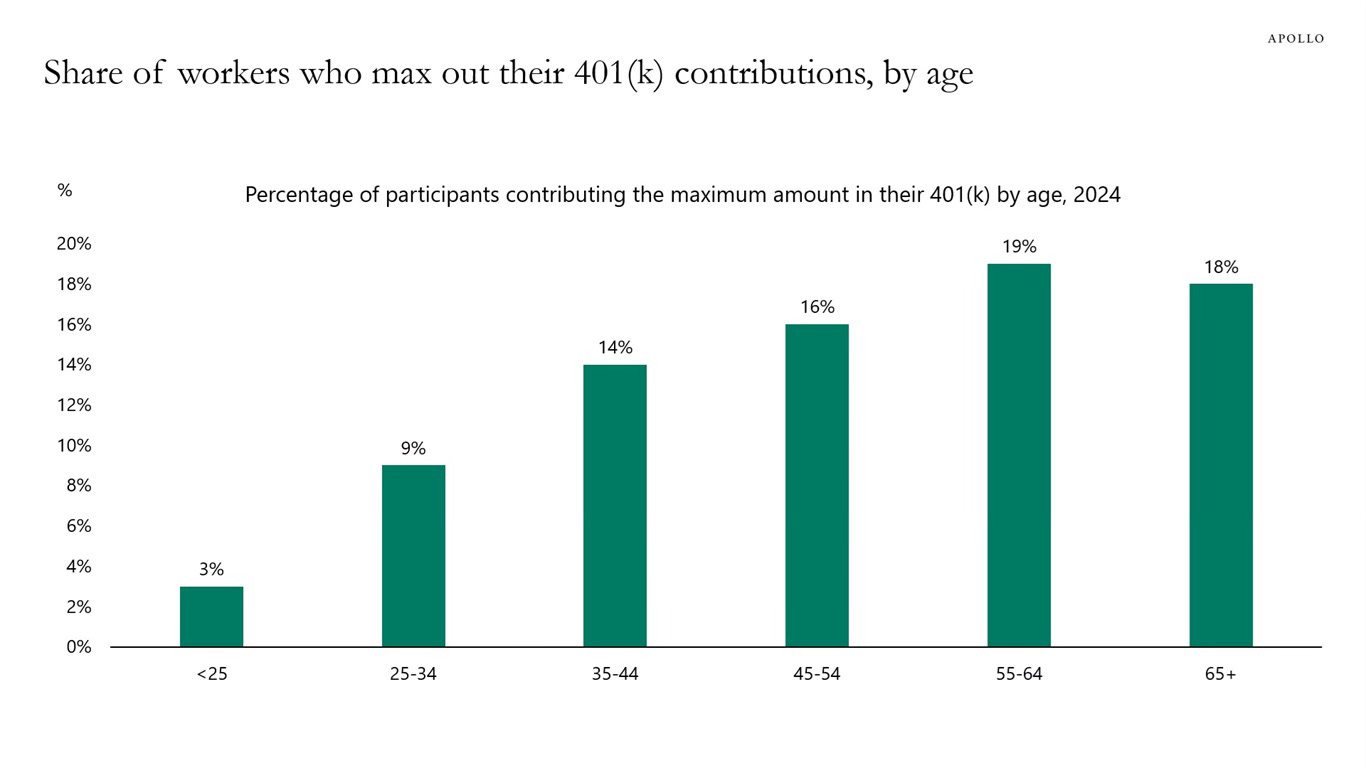
Retirement is no longer a predictable endpoint for a growing share of the workforce. Rising living costs, uneven savings, and the erosion of pensions are pushing more Americans to work into their late seventies and beyond, not out of preference but necessity. What once looked like a fringe trend is becoming a durable labor market feature.
For employers, the challenge is not accommodation but design. Older workers often remain productive and engaged, but they bring different constraints around stamina, health, and scheduling. Firms that rethink roles, task intensity, and hours are retaining experience that would otherwise be lost, while reducing turnover costs in tightening labor markets.
The strategic implication is straightforward. As labor force growth increasingly comes from older cohorts, companies that fail to adapt will face higher hiring friction and knowledge loss. Those that redesign work for longevity, rather than speed alone, will gain a quiet advantage over the next decade.
How to train when employees’ tech moves faster than HR
AI is scaling faster than organizations’ ability to train the people expected to use it. Employees consistently say learning and development improves retention and confidence, yet heavy workloads and fragmented ownership have left training behind the technology curve. The result is a widening gap between adoption and actual capability.
“When organizations don’t set people up to use AI reliably, employees won’t trust it and won’t adopt it…That’s why HR leaders need to create space for safe learning and experimentation with AI’s uses and limits, starting with their own teams.”
—Ted F. Tschang, an associate professor of strategic management at Singapore Management University, on the AI adoption challenges facing HR
That gap carries operational risk. When training lags, employees rely on informal workarounds, overuse a small group of AI-fluent peers, or disengage from tools they do not trust. Productivity gains look strong on paper, but performance becomes uneven and fragile in practice.
Until companies treat AI literacy as core infrastructure rather than a benefit, returns on AI investment will remain uncertain. Technology adoption can move quickly, but capability only compounds when organizations create space to learn.
Quote of the Week: Retention as a Competitive Advantage
“Retention is going to be one of the most important competitive differentiators in 2026. Investing in our people isn’t just the right thing to do, it delivers real returns. High attrition, burnout and disengagement cost far more than initiatives that support employees and provide meaningful experiences.”
—Anna Lundström, CHRO at Spotify, on the company’s 2026 retention strategy
Reading List:

Is the labor market shrinking? Fed admits that we don’t know
Federal Reserve officials now acknowledge that headline job numbers may be seriously overstating employment growth due to modeling limits and data lags. If true, the labor market may be weaker than it appears, complicating hiring, wage planning, and policy decisions. For employers, confidence in workforce forecasts is becoming harder to justify.
“De-bossing” leaves employees increasingly burned out
Efforts to flatten hierarchies and remove managers are eroding employee autonomy rather than increasing it. Research shows that when workers lack clear ownership, burnout rises even in flexible environments. Autonomy without structure is proving as damaging as over-control.
Is there a right way for executives to exit?
Boards are discovering that succession planning often fails not for lack of process, but because leaders struggle to step aside. Poorly managed exits disrupt morale, delay internal advancement, and amplify uncertainty. The strongest organizations treat succession as a continuous discipline, not a last-minute negotiation.
Data Point: Modern Motivations
85%
The number of employees who prioritize remote work over compensation when considering a new job.
In Other News
AI Is Powering Trump’s Economy, But American Voters Are Getting Worried. (Bloomberg)
More workers say they will job hunt in early 2026, but competition is tight. (HR Dive)
Will skills still matter in 2026? (HR Executive)
Retail job cuts up nearly 140% from last year. (Retail Dive)
Evolving economic conditions — not AI — will drive cautious 2026 hiring. (HR Dive)