

Welcome to the latest edition of Human Capital Intelligence. As always, we would love to hear from you at ken@stibler.me with news ideas, feedback and anything else you find interesting.
Sent this by a friend? Sign up here to receive HCI in your inbox every week.
By Ken Stibler; Powered by Reyvism Analytics
AI adoption hits employment and automating functions, but bad data is generating uncertainty
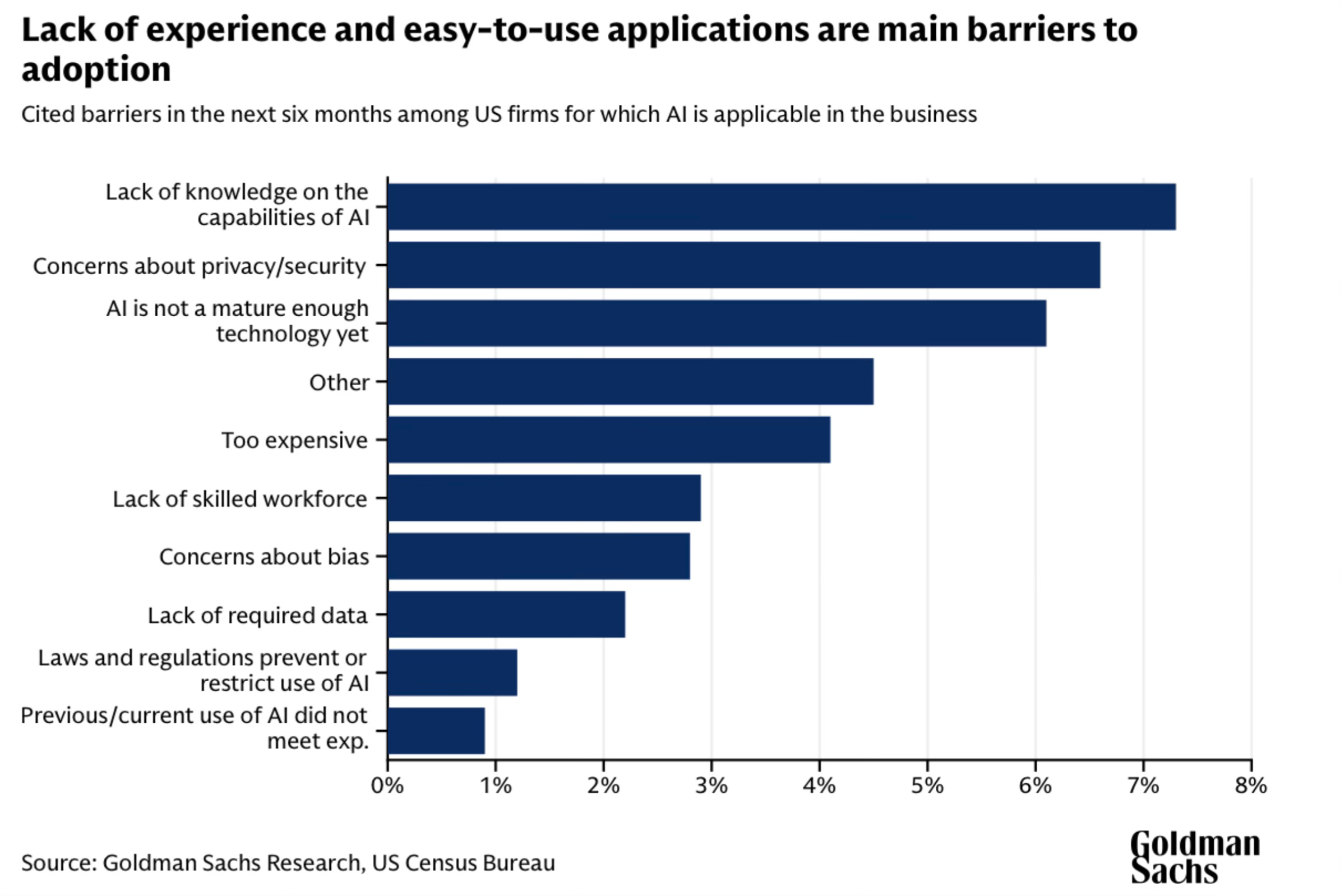
Corporate actions are telling a far clearer story about AI's impact on jobs than carefully worded press releases or academic studies. While public messaging emphasizes "transformation" and "reprioritization," the pattern of recent corporate decisions reveals that AI is already capable of replacing significant portions of white-collar work, and companies are moving aggressively to capture these cost savings.
Workday debuts AI agents, with CEO saying they’ll ‘peacefully coexist’ with humans rather than replace them. (Fortune)
Workday eliminated 1,750 positions while rolling out AI agents designed to handle entire job functions - not just tasks. Meta cut 5% of its workforce in performance-based removals while committing hundreds of billions to AI infrastructure. These aren't exploratory moves; they're systematic replacements of human labor with automated alternatives.
While analysis is suggesting limited AI impact - like Anthropic's finding that only 4% of jobs heavily use AI - reflects data that's already outdated in a rapidly evolving landscape.
Lyft deploys Anthropic’s generative AI in customer service. (Customer Experience Dive)
More telling is Deutsche Bank's recent assessment that AI adoption will most heavily impact mid-level knowledge workers, whose core functions can now be automated. Bank clerks are now using AI to handle the majority of their correspondence, producing better results than human-written communications. Claims processors at major insurers are being augmented - and often replaced - by AI systems that handle routine cases more efficiently and with fewer errors.
The bank's analysts note that companies are already shifting from hiring new workers to deploying AI solutions - a practice they call "cost avoidance" rather than cuts. These aren't future projections; they're current implementations delivering immediate cost savings.
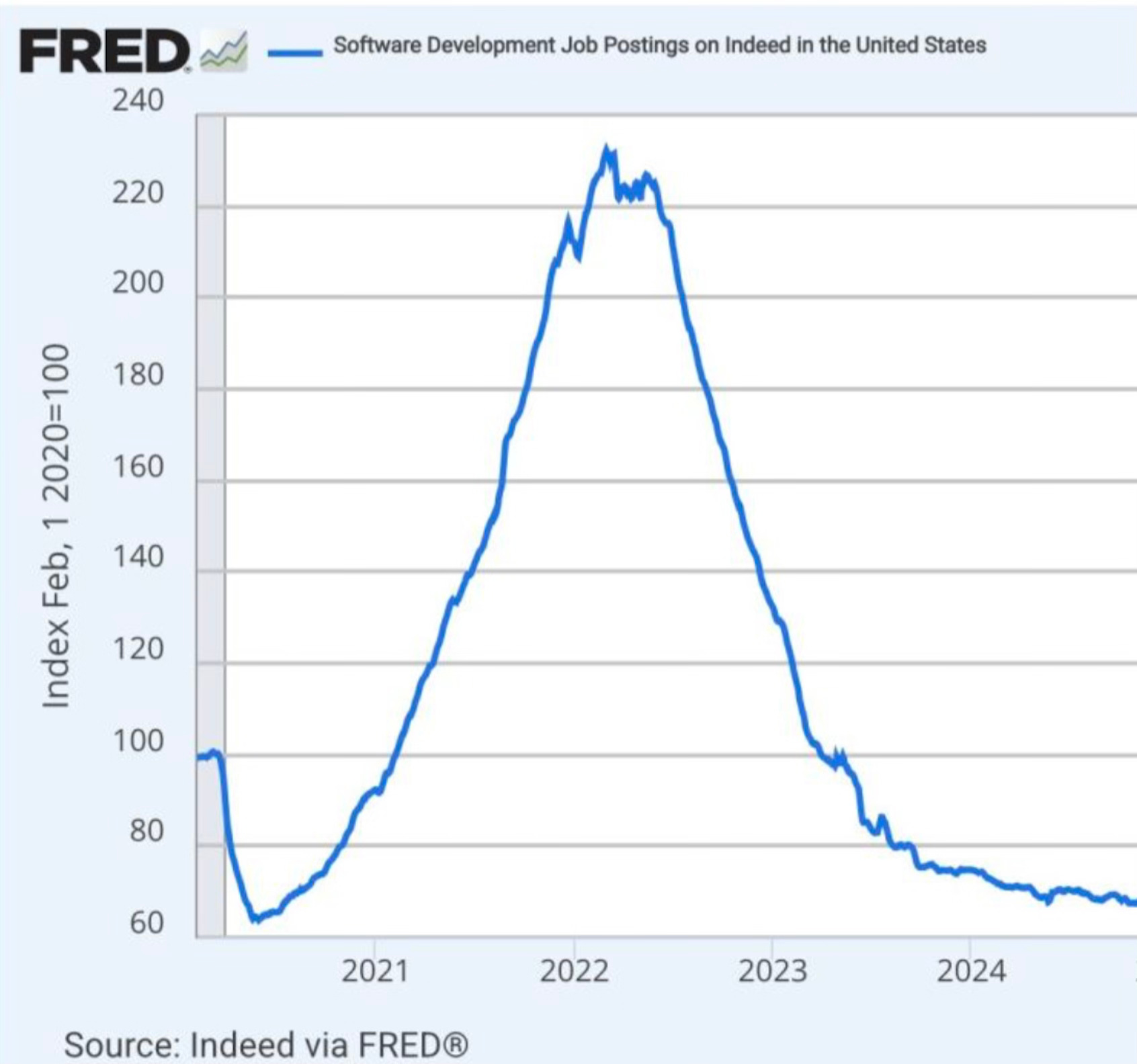
The IT sector's seemingly contradictory statistics - 228,000 new tech jobs alongside rising tech unemployment - reflect this reality. The new positions largely support AI implementation and infrastructure, while traditional roles face increasing automation. This isn't a gentle transformation; it's a fundamental restructuring of white-collar work.
Goldman Sachs' projection of 15% productivity gains from AI over the next decade likely understates the near-term impact. Companies are already finding that AI can handle entire categories of knowledge work - from financial analysis to customer service to legal document review - more effectively than human workers. The rapid adoption of tools like ChatGPT in corporate settings, often without formal approval, suggests the real pace of change is faster than official studies indicate.
HCI View: The ambiguity and uncertainty around the technology make it easy to avoid AI, but just imagine if your biggest competitor suddenly achieved 5-10% reduction in costs that could be used to capture more of your market. The actions of F500 companies are a clear portrait of a rapidly emerging future where tech enabled efficiencies (direct labor cost reductions) drive increased profitability remain competitive.
Executive’s guide to agentic AI
The supercharging of the AI conversation comes down to the arrival and maturation of “AI agents”. Agents are powerful, but very complex. It’s best to think of agents as digital employees who can perform specific tasks independently. AI agents are specialized tools designed to handle particular responsibilities. The key difference is that these agents can work continuously, process vast amounts of information, and execute tasks without human intervention once embedded. These systems are made of three core components.
Observation: AI agents constantly monitor their assigned environment. This could be: watching a customer service inbox, monitoring inventory levels, tracking website performance, or analyzing market data
Decision Making: Using predefined rules and AI capabilities, agents evaluate situations and decide on actions. For example: prioritizing customer queries based on urgency, determining when to reorder inventory, or identifying unusual patterns in data
Action Taking: Based on the system’s decision, agents can: route customer inquiries to appropriate departments, generate purchase orders, send alerts to human supervisors, schedule maintenance tasks, or update databases
These autonomous digital workers are already driving corporate cost reduction, with early adopters reporting triple-digit returns on implementation Oracle, Salesforce, and Workday are battling for market share in this emerging sector, embedding AI agents across their enterprise platforms in response to surging corporate demand.
Meet your AI agent: The new ‘chief of staff’ for HR professionals? (HR Executive)
The economics are compelling: Wiley's HR automation initiative delivered 213% ROI, while Allstate has automated nearly all customer email communications, finding that AI-generated responses are actually more empathetic than human ones.
HCI View: Don’t let the terminology fool you, this is using sophisticated tech to automate workflows. There are billions of investment into business software services and there are off-the-shelf tools you can try now - no coding or tech team required. I’d advise starting those trials sooner than later.
Quote of the Week: Gen Z or Gen AI?
“Many Gen Z workers aren’t comfortable connecting with their managers IRL to have difficult conversations and may find it easier to pose questions to AI.”
—Erica Keswin, an author and workplace strategist, on the different ways members of Gen Z use AI
Reading List:
A turbulent half decade has left followers wanting hope
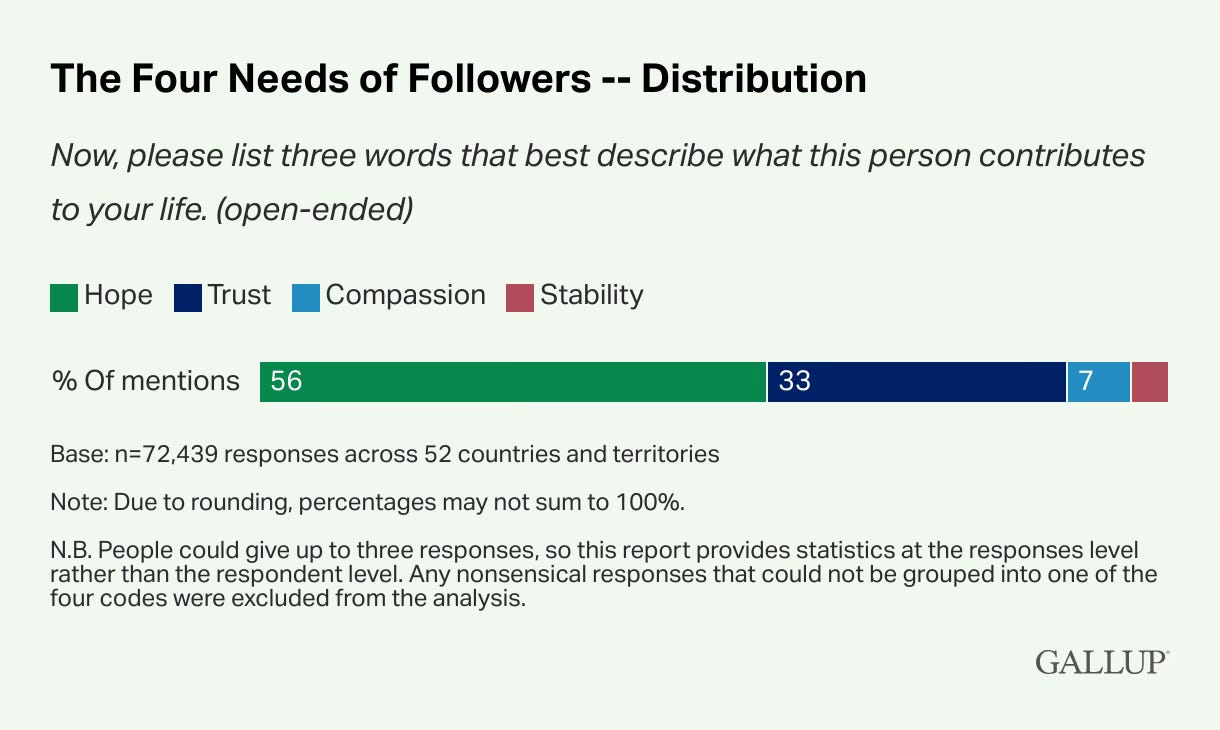
Employees primarily want one thing from their leaders: hope. Gallup's latest global study reveals a concerning shift as the dominant role of corporate leaders in employees lives solidifies. The dominant trait, accounting for 56% of all desired leadership attributes, far outstrips traditional management priorities like trust (33%) and dwarfs other qualities such as compassion (7%) and stability (4%).
Gallup’s research also showed direct links between hopeful leadership and employee productivity. The data indicates that workers under hope-focused leadership report 38% higher thriving rates compared to 33% under traditional management styles. Analysts note this represents a critical pivot point for corporations, particularly as younger workers (18-29) demonstrate heightened demand for inspirational leadership over conventional trust-based approaches.
HCI View: Leadership is about more responsibility than just to the business, a boss is someone who orders people around to make money, a leader is a person that takes on the burden to coach, develop, and play a positive role in peoples lives. The day-to-day looks different for each. Which do you want to be?
Companies rebrand DEI efforts, but legal fights against the practice are full steam ahead
Corporate America is rapidly rebranding diversity, equity, and inclusion (DEI) initiatives under new acronyms like BEI (belonging, equity, and impact) and EE, E & I (employee engagement, equity, and social impact) as companies attempt to maintain diversity programs amid mounting legal pressure. The strategic pivot comes as firms distance themselves from the increasingly contentious DEI label.
Rather than a simple rebrand though, red state attorney generals are actively targeting DEI efforts, with 19 states suing Costco to terminate its DEI programs within 30 days. The legal challenge follows a wave of DEI dismantling at major corporations including Amazon, McDonald's, and Meta, spurred by President Trump's recent executive order targeting private-sector diversity initiatives and increasing conservative activism against such programs.
HCI View: While most medium businesses don’t need to worry about being targeted, the anti-DEI movement started with individuals suing companies, so this potentially creates another angle for employers to litigate. Also, with the level of polarization these days, its better to live your values than market them anyways.
NFL’s dominant programs highlight the value of investments in your org
The Philadelphia Eagles' transformation from a $185 million purchase to a $6.6 billion enterprise offers a compelling case study in how strategic organizational investment drives market dominance. When Jeffrey Lurie acquired the Eagles in 1994, he immediately recognized that dilapidated facilities and fragmented operations were hindering talent acquisition and performance. His response—investing the better part of a billion dollars in a new stadium, training facilities, and hundreds of millions building a talent-packed team.
While Lurie faced criticism for his spending spree, the Eagles have not only won, but seen their value increase 35-fold, elevating them to the world's 12th most valuable sports franchise. A same formula has driven the Chiefs' sustained success, with both franchises demonstrating that long-term organizational investment over short-term cost management creates durable competitive advantages transferable to any sector.
HCI View: It may sound like back to basics, but the hundreds of dollars billions added to the Chiefs and Eagles value is a rarity in the NFL, where short-term decisions, conflict in the organizations, and tight-cost management have left the winning leadership approach to just 2 teams out of 32 in the league.
Data Point(s): Strong labor market?
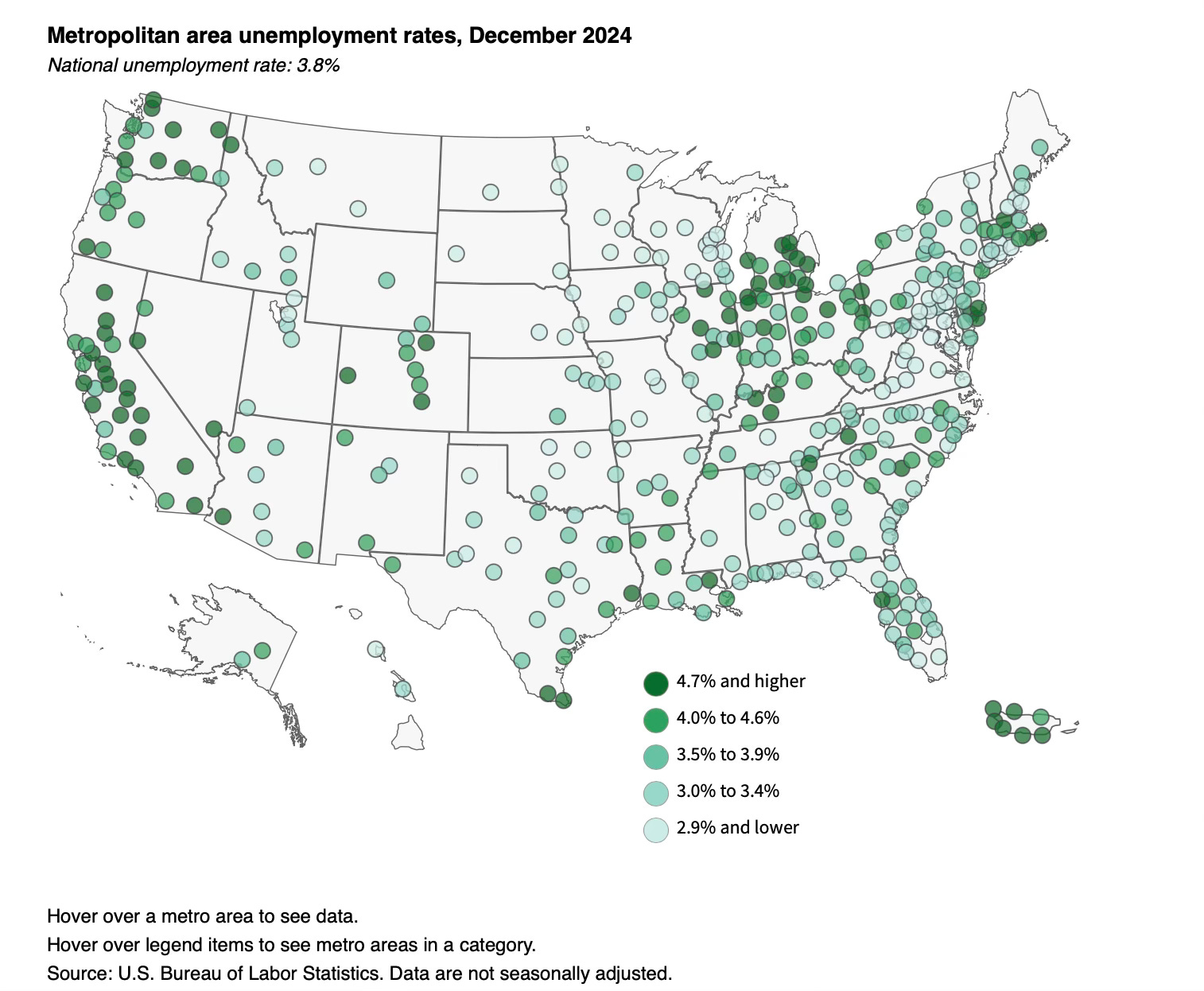
Unemployment rates up in 266 of the 389 metropolitan areas in December 2024. (BLS)
In Other News:
A good chief of staff is more than an administrator or an extra set of hands. They’re a leadership amplifier. (Fast Company)
Many workers would take a pay cut to work from home — some would forgo at least 20% of their salary. (CNBC)
Only 22% of Companies Want to Know About Applicant Failures. (HR Daily Advisor)
No big company is risk-free from impending labor disruptions, new research suggests. (HR Brew)
Turnover thwarts employers’ front-line training efforts, survey finds. (HR Dive)
A recent survey identified a potentially dangerous combination for HR leaders: an overlap between high burnout and high engagement. (HR Brew)
Stop being nice, start being kind: Why real connection at work matters. (HR Executive)
CHROs struggle to prevent the exodus of C-suite leaders, report finds. (HR Dive)
RTO comes with legal risks. (Worklife)
C-suite at odds over responsibility, innovation as AI tools mature. (CIO Dive)