

Welcome back to Human Capital Intelligence! Your go-to source to keep up with the best insights from over 250 leadership, HR, and people sources. As always, we would love to hear from you at ken@reyvism.com with questions you’d like answered or topics covered.
Sent this by a friend? Sign up here to receive HCI in your inbox every week.
By Ken Stibler; Powered by Reyvism Analytics
Overspending on tech and underspending on talent

As organizational leaders, the job of managing organizational capacity is getting things done with whatever the right mix of capital, talent, and tech looks like. Yet the current mix is being badly imbalanced. Ne KPMG data shows executives are now twice as likely to invest in new technology as in training employees.
While 57% of execs say improving performance and efficiency is a top priority, fewer than 10% say developing workforce training is. The predictable result: 53% of employers say finding the right AI skills is their main talent challenge, and only 14% of graduates report high proficiency applying AI tools professionally.
The organizations avoiding this trap treat AI as a literacy requirement, not a software deployment. Walmart is training all 2.1 million employees on agentic AI tools, from its 35,000-person tech team to front-of-house greeters. The approach is explicitly “people-led, tech powered,” focused on removing friction from daily workflows to create more time for customer-centered work. Same headcount as six years ago, significantly higher revenue, no role displacement.
The alternative is false promises and reactive cuts. Bank of America’s CEO told employees they did not have to worry about AI replacing jobs, then cut 1,000 roles four months later. How engaged or secure do you think those remaining employees will feel?
Read more: Why are workers so worried about AI? Listen to how business leaders talk about it. (CNBC)
As KPMG’s Atif Zaim notes, new tools alone do not drive performance. Organizations are cutting support exactly when their people need it most. As Korn Ferry’s Emilie Petrone warns, firms cutting HR budgets now may have to double down in two or three years because they skipped the heavy lifting on the people side of AI.
Deloitte cuts benefits as corporate commitment to employees wanes
Big Tech led the way in astonishing employee perks, and now they are leading the way in rolling them back. Consulting is the next domino. Deloitte plans to cut parental leave from 16 weeks to eight, reduce PTO by up to 10 days, and eliminate a $50,000 adoption and surrogacy benefit for its “center” talent model (IT, finance, admin).
The changes take effect in 2027 as AI and hiring cutbacks have quietly prompted the largest reduction in HR budgets in years with just 29% of CFOs plan to invest more in HR, making it the division least likely to see a budget increase.
It’s not hard to imagine the type of backlash this generated, for the businesses that read this newsletter though, this type of discourse can be a pro or a con for employee engagement.
Big companies pulling the rug on promises can allow you to look really good in comparison and can be an engagement-boosting moment if used to clarify how you support your people. Alternatively, if it goes un-addressed since it’s “not relevant to you,” headlines like these leech engagement from employees increasingly pre-disposed to distrust.
Quote of the Week:
"Another shift in today's job market is how many roles are filled before they are widely advertised. In many sectors, more than half of hires occur without a traditional public job posting."
— Andrew Hudson, Colorado Sun
Reading List:
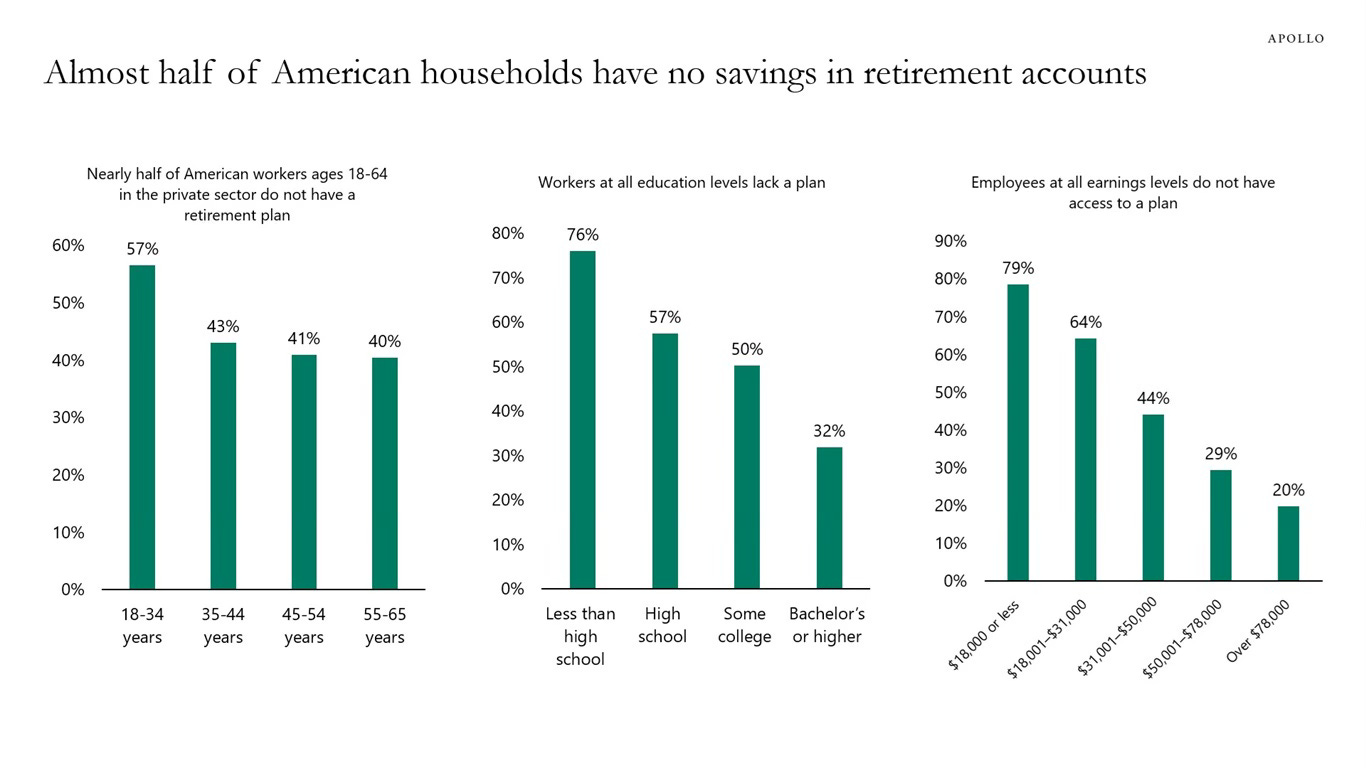
Employees are bringing money problems to work
The average 401(k) balance hit a record $167,970 last year, but hardship withdrawal rates also reached a record 6%, as more participants tapped retirement accounts to avoid eviction or cover medical expenses. The uptick is partly driven by the SECURE 2.0 Act making early withdrawals easier and automatic enrollment bringing more lower-compensated workers into plans.
The next battlefront in AI worker woes - who owns the data
The line between employee skills and company property is blurring. A viral GitHub project that claims to clone workers into a reusable AI skill is forcing workers to confront the reality that their companies might own digital doubles. Fights over this such data are already occurring in the U.S. where suing companies over employee data uses is touted as “more effective than unionizing” according to an HCI analysis of over 100 viral TikTok’s about the subject. Except this fight to grow across more organizations as the roughly 50% of employees which dislike AI to push back harder.
The three types of leadership loneliness
80% of CEOs say they have experienced loneliness in their tenure. According to HEC Montreal’s CEO institute, this isolation rarely stems from a lack of connection. It is driven by "surface acting," projecting confidence that contradicts inner beliefs, and the structural reality of being the only person with a complete view of the company's data. When performance sags, it threatens the CEO's identity, creating a doom spiral where isolation degrades communication, which degrades performance further.
Data Point:
-8.3%
The change in HR budget growth this year, down from 9% in 2025, making HR the corporate division least likely to see a budget increase according to Korn Ferry
In Other News
Organizations and employees want different things from leaders, study finds. (HR Dive)
Execs fear job loss over AI adoption failures. (CIO Dive)
America’s ‘silent army’ of skilled tradespeople are retiring with no one to replace them—and the price tag could hit $1 trillion a year. (Fortune)
Recent grads are settling for jobs they plan to leave, says ZipRecruiter. (HR Dive)
Emerging Liability for AI-Driven Hiring Tools: Key Developments in Mobley v. Workday, Inc. (Maynard Nexsen)
Microsoft launches ‘vibe working’ in Word, Excel, and PowerPoint. (The Verge)
OpenAI is working with consultants to sell codex in a revision of the SAP model for AI. (Wall Street Journal)