

Welcome back to Human Capital Intelligence! Your go-to source to keep up with the best insights from over 250 leadership, HR, and people sources. As always, we would love to hear from you at ken@reyvism.com with questions you’d like answered or topics covered.
Sent this by a friend? Sign up here to receive HCI in your inbox every week.
By Ken Stibler; Powered by Reyvism
Leading people in an increasingly brittle economy

Companies are posting record profits yet laying off tens of thousands, and your employees are hearing all about it. Tech layoffs through May have already surpassed 115,000, running 44% faster than last year. But when Gallup asked laid-off workers directly what caused their layoff, and only 1% named AI. The more common answers were organizational restructuring, cost-cutting, and role elimination. Well quoted venture capitalist Marc Andreessen put a sharper point on it: most large companies are overstaffed by 25 to 50 percent, and AI has become the convenient cover story for cuts that were coming regardless. That is worth sitting with if you are a leader who has cited AI as the reason for a headcount decision, or is about to.
What makes this combustible is the environment those workers are worried about landing in. Only 22% of workers globally strongly agree their job is safe. Consumer prices jumped 4.2% in May, the highest in three years. Healthcare premiums are rising at double the rate of inflation. This economic climate is brittle to say the least, strip away AI-related spending and the economy has been in a recession for nearly 2 years.
Gallup data shows workers who used AI less than monthly were three times as likely to have been laid off as those who used it regularly. AI adoption is now a layoff risk factor, and most of your workforce does not know that. This is especially important for engaging those who stay.
We mined the comments of those laid off - a dataset of over a million comments over the last couple years - shows how much the layoffs felt like a rug pull, and are almost certain to lower the starting level of trust and engagement going forward.
Don’t give up on grads
Internship postings on Handshake fell 16% earlier this year, another double digital decline in a multi-year collapse in interns. In certain sectors, entry-level hiring has dropped more than 50% since 2019. The logic writes itself: AI handles the routine work that junior hires used to do, so why bring them in?
Yet the smartest money, hedge funds and leading firms, are starting to reverse course, seeing cutting entry-level programs as severing a key mechanism for transferring knowledge and building the next generation of people who actually understand how the work gets done. The routine tasks may go, but the judgment, the context, the institutional knowledge still have to come from somewhere, and are abut to get scarce.
Citadel just ran its largest intern cohort in the firm’s history, IBM is tripling its entry-level hiring this year. IBM’s CHRO put it plainly: “The companies three to five years from now that are going to be the most successful are those that doubled down on entry-level hiring in this environment.” The companies cutting their programs will have powerful tools in three years and no one who came up learning how to use them.
Quote of the Week:
“The goal cannot be surveillance for surveillance’s sake. The healthiest systems use assessment to support growth, mentorship, and adaptation. If workers only experience measurement without support, organizations create fear.”
— Carrol Chang, CEO of Andela
Reading List:
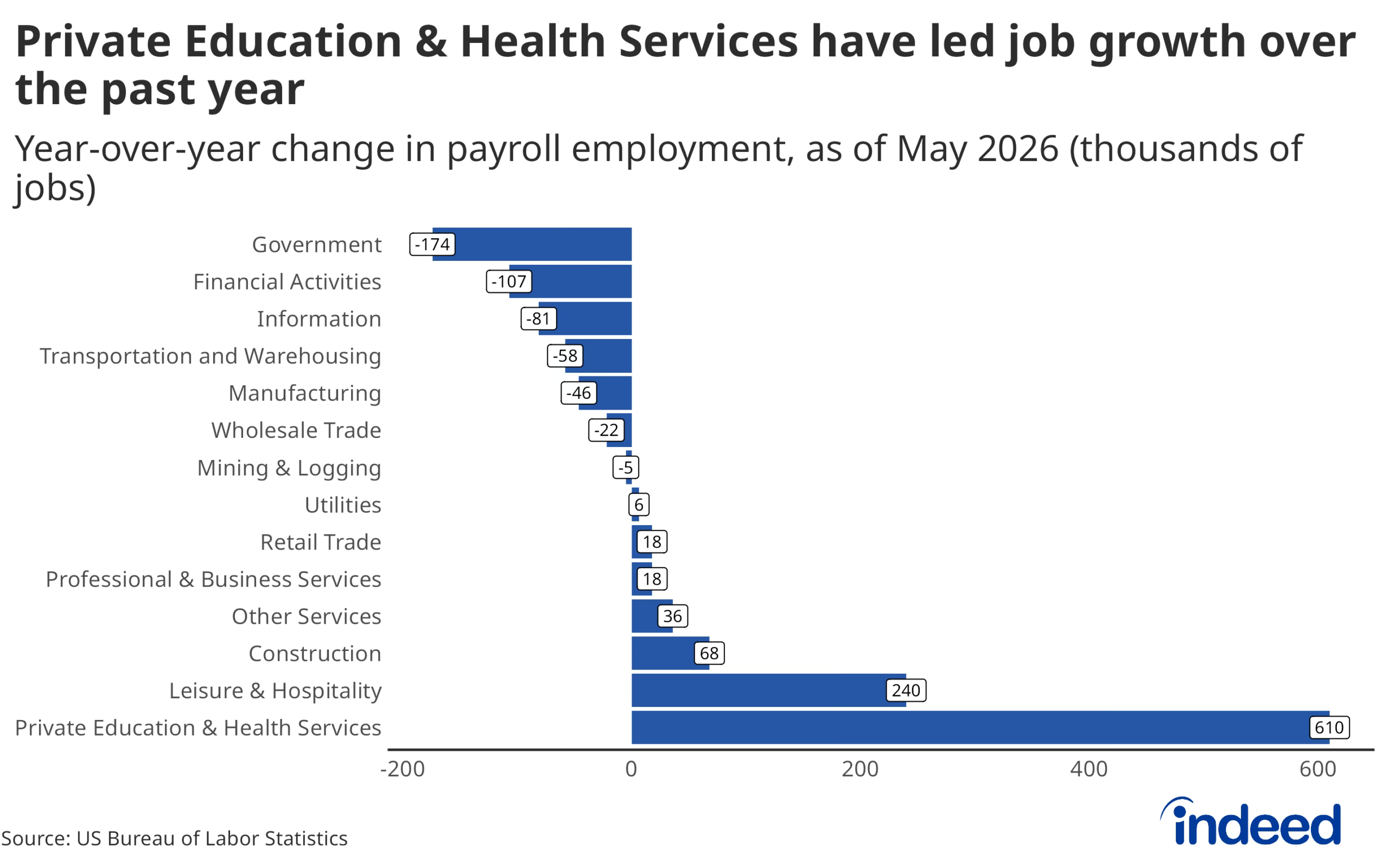
Hiring still happens but for increasingly narrow talent
Three in four CHROs expect hiring to concentrate in specific roles rather than expand broadly, according to a Conference Board survey of 111 CHROs. More than 70% say specialized technical roles are the hardest to fill. Only 21% of those who reduced hiring tied it to AI -- the majority cited financial caution. The Conference Board's own conclusion: skill requirements are evolving faster than talent pipelines, and anyone who cannot source this talent externally will have to build it internally. Most have not started. Shifting budget from recruiting to reskilling is the move, and it is easier to make before you are desperate for the skills than after.
Employers increasingly raise worker healthcare costs
Nearly half of large U.S. employers plan to shift more healthcare costs onto workers next year, according to Mercer's survey of 604 organizations. This is happening as workers are already squeezed by inflation, a low-hire market, and the job insecurity documented above. The timing matters. Workers currently blame insurers for rising costs, not employers…but that goodwill is not permanent. Cost-shifting does not reduce healthcare spend. It delays care, which drives up long-term costs and degrades productivity. If you are one of the organizations holding the line on benefits while competitors cut, that is a retention story worth telling your people explicitly.
Should you continually assess performance?
Airlines stopped measuring pilots by logged flight hours when cockpits became automated and started analyzing data from every flight to understand how they make decisions. HBR argues knowledge work is heading the same direction. The risk is Meta's mistake: a monitoring system employees experience as surveillance triggers backlash, not development. One CEO drew the line that "if workers only experience measurement without support, organizations create fear. If assessment is paired with coaching and transparency, people are much more willing to engage with change."
Data Point:
22%
Number of workers globally strongly agree that their job is safe from being eliminated according to the ADP People at Work 2026 report.
In Other News
AI anxiety may be ramping up despite productivity hopes. (HR Dive)
Mrs. Dow Jones: The American dream is ‘very dead’ for millennials and Gen Z. (Business Insider)
Enterprises report increasing budgets for security training in AI and other critical topics. (CyberSecurityDive)
Work From Home Is Here to Stay—Even if Some CEOs Don’t Love It. (Wall Street Journal)
When Did White-Collar Work Start to Look So Bleak? In the nineteen-eighties, an office job promised security and fulfillment. For graduates starting careers today, the prospect is often tinged with dread. (New Yorker)
This assumes the underlying data is right: Mistaking a Hiring Freeze for a Robot. (Apollo)
I went viral on TikTok making $100 a day for 100 days by testing different side hustles — only 3 were worth sticking with. (Business Insider)