


Welcome to the latest edition of Human Capital Intelligence. As always, we would love to hear from you at ken@stibler.me with news ideas, feedback and anything else you find interesting.
Sent this by a friend? Sign up here to receive HCI in your inbox every week.
By Ken Stibler; Powered by Reyvism Analytics
What’s Working

Coaching offers cascading benefits, but managers say they aren't equipped
Effective coaching is a powerful driver of organizational success. Companies with strong coaching cultures outperform their peers, demonstrating triple the talent retention and 50% higher likelihood of top-tier financial performance. These benefits cascade through the organization, with coached managers reporting higher engagement and lower stress levels.
However, a significant gap exists between recognizing coaching's value and implementing it effectively. Managers find themselves in a bind, where 40% experience increased pressure from leadership, and 37% face rising expectations from subordinates. This squeeze leaves little room for developing coaching skills, resulting in a quarter of employees rating their boss as their "worst ever."
The root of this problem lies in the misalignment between traditional management skills and coaching competencies. Technical expertise or target-hitting abilities – often the basis for promotion – often don’t translate to effective coaching. This disconnect is evident in the 40% of front-line leaders who report inadequate coaching from their superiors.
Questions are critical, but employees are scared speak to up
Despite business changing from all directions, basics such as effective communication remain elusive in many organizations. Nearly a quarter of workers avoid difficult conversations on a weekly basis, and in turn a cottage industry of resources and social media content have risen up for queries like “how do I talk to a manager.” This communication gap, rooted in fear of rejection or conflict, creates a widening chasm between staff and management, and slowly degrades the bottom-up flow of information which is vital for any leader.
The ripple effects of this breakdown are significant. When team members hesitate to speak up, companies lose out on crucial insights and innovations. Failed communication attempts often lead to self-censorship, eroding team dynamics and ultimately impact productivity. Leaders, frequently oblivious to their role in these interactions, may unwittingly perpetuate the cycle of silence.
Reading List
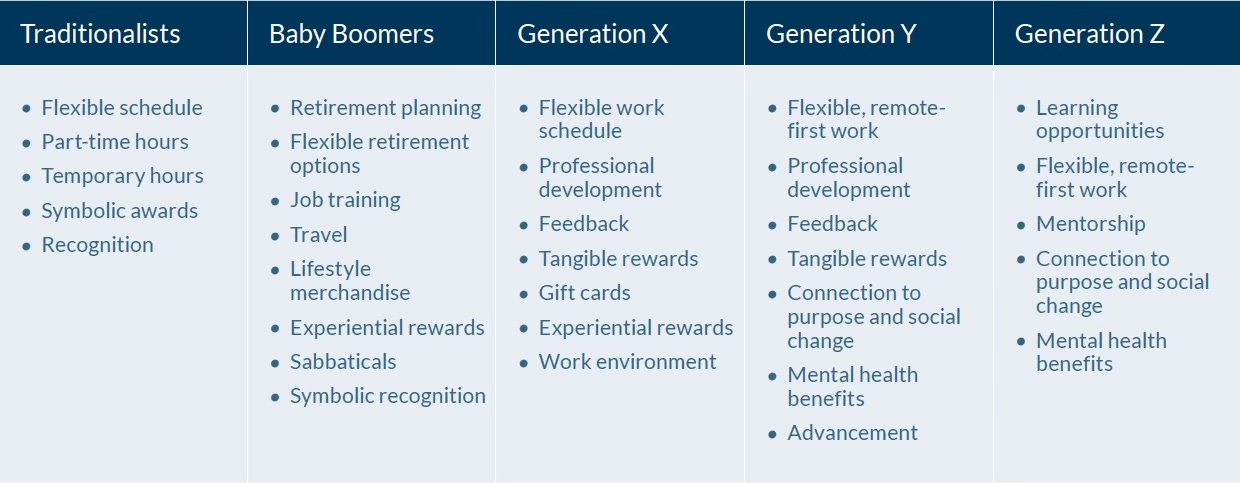
How to motivate the multigenerational workforce
Today's workplace spans five generations, each with strongly divergent drivers and expectations. Traditionalists and Baby Boomers, valuing stability and work ethic, coexist with Gen X's skepticism of institutional loyalty. Millennials seek purpose and flexibility, while Gen Z brings social consciousness into the workplace. This diversity presents a unique motivational challenge for organizations.
Getting communications right post-layoffs
Layoffs have become an uncomfortable fact of corporate life. A recent Workhuman report reveals that over a third of US employees have experienced layoffs. It's no wonder that many workers are entering the office with a "when, not if" mindset about job cuts. This new normal is breeding a cocktail of anxiety, disengagement, and productivity slumps that HR leaders can't afford to ignore.
Sacrificing long-term upskilling for immediate productivity yields a negative ROI
In the race for productivity gains, many companies are sprinting towards a cliff edge. A recent data reveals that businesses are doubling down on output tracking while simultaneously cutting back on employee development. It's like trying to win a marathon with energy drinks instead of building endurance – a strategy that's bound to backfire.
Nearly half of employee turnover is preventable
Recent Gallup data reveals a significant opportunity for organizations to reduce voluntary turnover, with 42% of employees who left their jobs in the past year reporting that it was preventable. This represents nearly half of all voluntary exits, highlighting a critical area for strategic intervention and potential cost savings.
Quote of the Week
Around one-fifth of the easing of labor market tightness in 2023 can be attributed to the spike in immigration. While Americans opposition to more immigration has rapidly risen, restrictions risk arresting the labor-force growth that has helped to fill a record number of unfilled jobs in recent years, in turn keeping wage pressures lower than otherwise.
— San Francisco Fed economist Evgeniya Duzhak estimated in a paper published this week
In Other News
5 Warning Signs That Your Boss Is Becoming Toxic: How to tell if your deficient boss is becoming terrible. (Psychology Today)
Welcome to the era of the ‘nepo CEO’: David Ellison’s Paramount victory cements a new kind of corporate leader. (Fortune)
Biden announces investment in workforce development, apprenticeships to create training pipelines and enhance public-private partnerships across in-demand fields. (HR Dive)
Talent expert Marc Effron on what makes great HR leaders. (People Matters)
90% of employees aren't getting along with their coworkers. (Employee Benefits News)
What’s the ‘right’ number of HR employees? (HR Executive)
Companies Are Ditching Golf for Pickleball to Get Deals Done: Corporate bookings at pickleball clubs are surging as companies realize the sport is cheaper, less time-consuming — and easier to play. (Bloomberg)
Here’s your HR tech acronym and initialism cheat sheet. (HR Dive)
Lawsuit alleging Workday’s AI tools are discriminatory can move forward, court says: “Workday’s tools are engaged in conduct that is at the heart of equal access to employment opportunities.” (HR Dive)
Can we please stop talking about replacing employees with AI? (VentureBeat)
There’s a Market for ‘Dumb’ Technology — And It’s Made Up of Young People. (Morning Consult)