

Welcome back to HCI, your go-to source to keep up with the best insights from over 250 leadership, HR, and people sources. As always, we would love to hear from you at ken@reyvism.com with questions you’d like answered or topics covered.
Sent this by a friend? Sign up here to receive HCI in your inbox every week.
By Ken Stibler; Powered by Reyvism
Why are over half of all workers planning to turn down promotions?

Your best individual contributors have started doing the math on management, and for an increasing number of them it doesn’t work. 59% of U.S. workers say they would turn down a promotion requiring availability outside normal hours, and 62% would reject a move into management if it cost them their boundaries, according to a survey cited by Fast Company. The title comes with a raise. It also comes with a second job: keeping an anxious team steady, translating decisions from above, handling harder conversations and remaining reachable after the workday ends.
Employees have increasingly developed this view of management just by watching what has happened over the last few years. 56% have seen colleagues become less happy after promotion. Layoffs, staffing gaps and AI adoption have loaded work into the middle of the organization, where managers deliver tighter targets and explain decisions they did not make. HR believes it has prepared them.
In a separate survey, 97% of HR professionals said their organizations provide adequate training for conversations around layoffs, AI anxiety and conflict. Only 41% of managers agreed. A prospective manager can see the deal from their desk.
That creates two workforce problems at once. Management has become a bad bargain for people who want to lead, while the default ladder still pushes high-performing specialists toward a role they may never have wanted.
The right, but difficult, path is to give technical, commercial and operational experts progression, status and pay without direct reports. Then rebuild the manager job around authority, capacity and a pay differential large enough to match the accountability. Gallup’s research shows that manager support shapes whether employees experience AI as an improvement or a threat. The people required to carry that work need a job worth accepting.
Financing costs set to put further pressure on raises, growth
Borrowing money just got more expensive. If you use a line of credit to carry inventory, a loan to buy equipment or operating cash to open a location, your budget is getting tighter. Bond markets have pushed up long-dated Treasury yields, and the Treasury Department’s $4 billion buyback program calmed markets for barely a day before another sell-off, according to Fortune. That shows up in the rate on the next loan, the cash required to cover the gap between paying suppliers and getting paid, and the number of bad months you can carry.
In such an environment raises become an investment choice alongside technology, capacity and growth. An AI system without people who can redesign the process around it is a capital expense. So is a manager role left open because the raise cannot justify the work.
Before the budget hardens, it’s worth making three lists: jobs that protect current revenue, roles that turn prior technology investment into operating results and positions where a departure creates a costly bottleneck. Fund those separately from the standard raise pool. Other work may call for development, re-allocation or automation. That is a harder conversation than a flat percentage increase. It is also a more honest response to a world where capital no longer comes cheaply.
Quote of the Week:
“Companies are looking at these new grads to be their future leaders, and they want a pipeline for the future.”
— Shawn VanDerziel, president and CEO of the National Association of Colleges and Employers
Reading List:
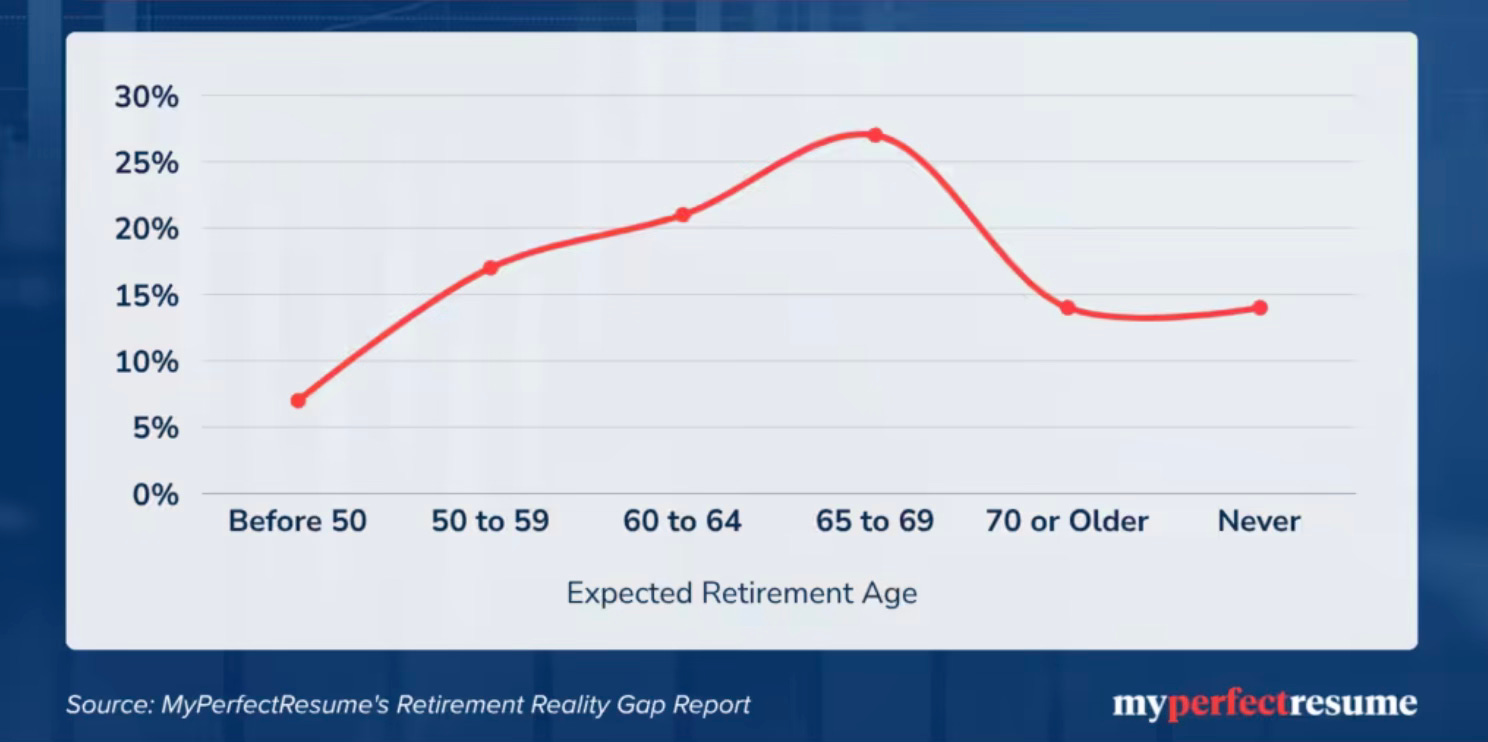
Later retirement ages are dangerous for leadership development
Retirement is becoming less predictable, which makes waiting for a vacancy a weak leadership-development strategy. 35% of workers have pushed back their planned retirement age in the past three years, and 14% expect to retire at 70 or later, according to a MyPerfectResume survey. Senior people may stay because they need the income or leave abruptly when finances or health change. Give high-potential people scope, pay and development milestones before a senior seat opens, or risk losing them to somewhere else without a waiting line
I’d get starting thinking about a worker reallocation plan
DTC blender company SharkNinja is building an AI tool to go from quarterly close to day-to-day financial analysis. Gathering sales data, calculating margins and compiling expenses are real jobs across thousands of companies. As AI removes thousands of work hours in these cases, leadership has to decide where the people who did it go next. Faster numbers only matter if there’s someone prepared to act on them.
Monitoring tools offer visibility, but can create distortion as employees game the system
Monitoring systems measure the behavior they reward. Calendar entries explain an offline meeting. Keyboard activity can be imitated. 48% of workers in a Visier survey admitted exaggerating their AI use. Once a dashboard tracks presence, activity or tool use, the job includes managing the dashboard. Use that data for coaching questions and operational diagnostics, but performance judgments should be tied above all to customer outcomes, quality, decisions and work managers can directly observe
Data Point:
34%
The number of C-suite executives who say it is consistently clear who owns AI decision-making according to a survey by Pearl Meyer.
In Other News
Zynga founder Mark Pincus: AI can get you to a B-plus, but it won’t get you to an A. (Fortune)
‘Did they ghost you?’ Website takes aim at employers who go radio silent on candidates: The site gives workers another platform to air out their grievances about employers. (HR Brew)
CHROs more cautious about AI readiness and adoption than C-suite peers, survey finds. (HR Brew)
Skilled labor demand is exploding. AI may be both a cause and a solution. (HR Dive)
AI efforts drive up demand for analytics, database architecture skills. (CIO Dive)