

Welcome to the latest edition of Human Capital Intelligence, your weekly brief synthesizing over 250 leadership, HR, and people sources to filter out the noise. As always, we would love to hear from you at ken@reyvism.com with questions you’d like answered or topics covered.
Sent this by a friend? Sign up here to receive HCI in your inbox every week.
By Ken Stibler; Powered by Reyvism Analytics
Zuckerberg and College Football: Buying Talent Isn’t Building a Team
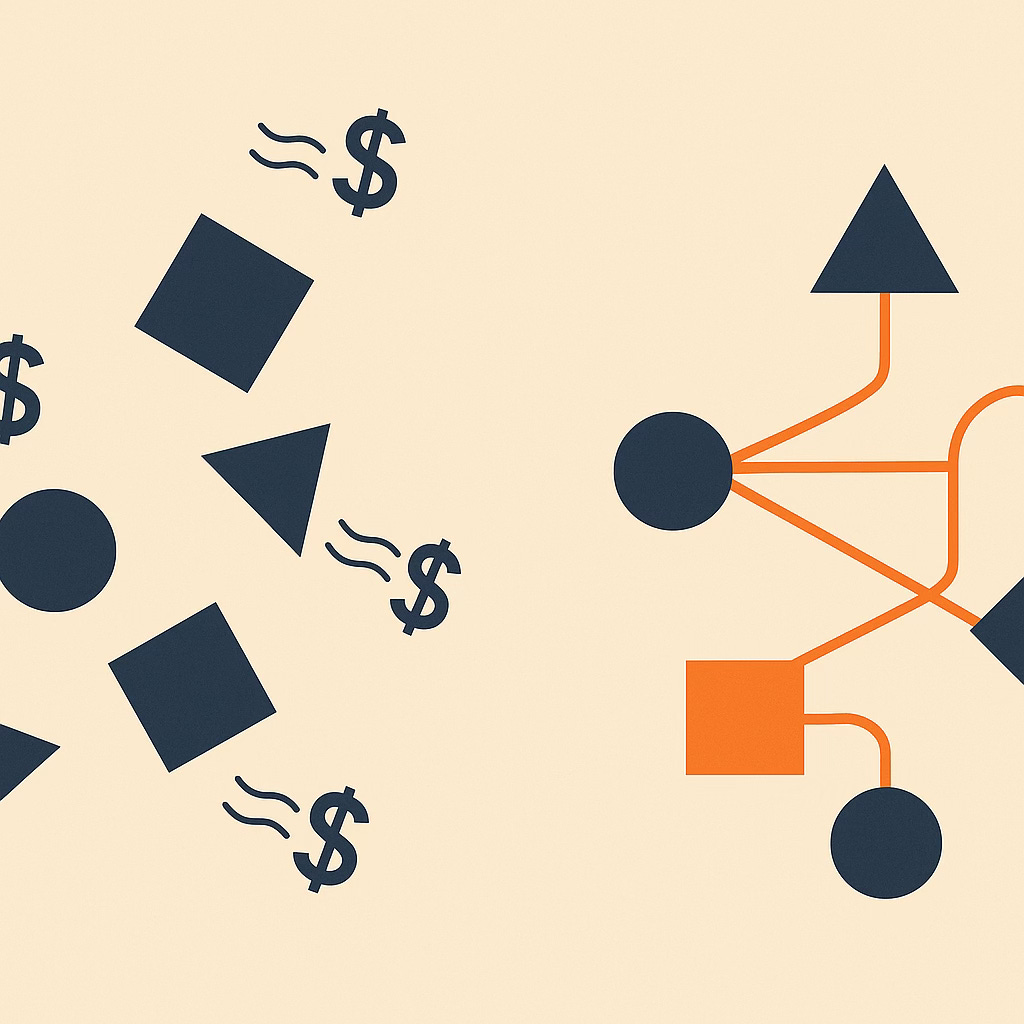
Meta has spent hundreds of millions of dollars in the past year trying to buy its way into AI dominance. Mark Zuckerberg has offered eye-watering $100 million signing bonuses and promised recruits access to computing power on a scale smaller companies could only dream of. The result has been a hiring spree of elite scientists from OpenAI, Apple, and beyond. But within weeks, some of those stars threatened to quit, others walked away, and Meta’s veterans began heading for the exits. It is a case study in how money can buy attention without buying loyalty.
To understand the dynamic, look to college football whose season just started this week. For the last several years the sport has entered the “NIL era,” when players could begin signing deals for their name, image, and likeness. The change unleashed a bidding war. Wealthy boosters now offer six- and seven-figure contracts to lure star quarterbacks and top recruits. The result has been predictable: some programs assemble rosters of mercenaries, only to see them jump ship a year later. Others build around culture, development, and systems. Those are the teams that win championships.
Meta’s AI lab looks more like the former. A steady churn of high-priced recruits has left the organization unsettled, with leaders clashing over priorities and newcomers frustrated by the bureaucracy of a trillion-dollar company. Promises of resources have run into internal competition, while veterans feel sidelined by lavish packages for outsiders. Compensation bought entry, but it hasn’t built commitment.
This is not just about Meta. The broader AI race has created a corporate NIL market of its own: companies poaching, overspending, and chasing headlines in the battle for scarce talent. Leaders everywhere are being tempted to treat talent like free agents: throw enough money at the problem and assume it will solve itself. But as both football coaches and executives eventually learn, without a system that creates shared purpose and growth, big-money recruits won’t stick.
The leadership lesson is simple but often ignored. You can buy talent, but you cannot buy culture. Loyalty, cohesion, and long-term performance come from aligning incentives with mission, developing people, and integrating new hires into something bigger than their signing bonus. Zuckerberg may win recruiting battles, but unless Meta builds belonging, it risks ending up with an expensive roster that cannot win the season.
Culture as a foundation for uncertain times
At Australia’s ANZ Bank, more than 100 senior bankers received emails telling them to return their laptops…before they were told of layoffs. The bank apologized and “offered counseling,” but the incident became a symbol of careless execution in a moment when employees most needed clarity and respect. It’s a vivid reminder that culture is revealed not in slogans or policies, but in how leaders handle the hardest moments.
Research consistently shows that poor communication during change magnifies disruption. Employees who don’t understand instructions become less likely to collaborate or share information, creating silos just as organizations need unity.
In times of uncertainty, culture is the most durable competitive advantage you have. Employees will accept tough choices when they believe those choices are made with transparency, conviction, and dignity. They will disengage when decisions feel rushed, transactional, or tactical. Whether handling layoffs, policy shifts, or a talent war, leaders who treat culture as a foundation build resilience. Those who don’t discover how quickly credibility erodes when the pressure is on
Quote of the Week: Merging through the mess
“We are merging HR and technology into a single function aimed at redesigning how tasks, information, and decisions get done.”
— Tracey Franklin, CHRO at drug maker Moderna on restructuring the HR function
Reading List:

‘Hustle’ culture makes a return
After years of taking a back seat to tight labor markets, ‘hustle’ is returning to U.S. leadership vernacular. Silicon Vally has kicked it off by adopting the “996” ethos a Chinese model of working from 9 a.m. to 9 p.m., six days a week. Founders argue it’s necessary to compete globally, but research shows productivity flatlines over around 60 hours. Despite the return of work-centrism, RTO mandates are increasingly being ignored as burnt-out managers quietly look the other way as teams stay home. The through-line is leadership depletion. Demanding more hours without support builds exhaustion, not competitive edge.
CFO turnover spikes
CFO departures have hit a seven-year high, following a record wave of CEO exits in 2024. More than half of outgoing finance chiefs left for retirement or board roles, but the churn also reflects the strain of leading through volatility and the role’s attraction of increasing responsibilities in many organizations. Companies are turning inward to fill vacancies, with 57% of new CFOs promoted internally, up from last year.
Small businesses fear AI rule changes
A growing majority of small businesses say they are unprepared for the emerging patchwork of state AI regulations. Two-thirds cite compliance and litigation costs as major concerns, and fewer than a third feel confident they can meet obligations such as disclosing AI use or running bias audits. Meanwhile, the federal government is threatening to withhold AI funding from states with burdensome laws, adding to the uncertainty.
Data Point: “Quiet Firing”
53%
Number of US companies that admit to employing unapologetic RTO mandates, raise delays, and workload changes to increase turnover.
In Other News
Nearly half of workers feel they’re stagnating, SurveyMonkey data shows. (HR Dive)
CHROs plan to hire fewer people than they did a year ago. (CFO Brew)
There Is Now Clearer Evidence AI Is Wrecking Young Americans’ Job Prospects. (Wall Street Journal)
Searching for Perfect Candidates Is Bad for Hiring. Dating Apps Prove the Problem Is Universal. (Inc)
Wall Street tries to put a price on team spirit Jefferies’ shift has good intentions, but it takes more than tweaking pay to turn residents of a shark tank into a well-functioning school. (Financial Times)
Only 1 in 5 workers say their employer monitors their AI usage. (HR Dive)
Gen Z is adopting ‘career minimalism,’ killing off the ladder for a ‘lily pad’ mentality, Glassdoor says. (Fortune)