

Welcome back to HCI, your go-to source to keep up with the best insights from over 250 leadership, HR, and people sources. As always, we would love to hear from you at ken@reyvism.com with questions you’d like answered or topics covered.
Sent this by a friend? Sign up here to receive HCI in your inbox every week.
By Ken Stibler; Powered by Reyvism
Personality is becoming more valuable than skills

Skills used to provide a reasonable building block and forecast for talent. If someone could do the work required by the job today, an employer could expect that skill to remain useful tomorrow. That is becoming a bad bet as new tools and workflow shifts move faster than job descriptions. A long list of skills tells you less and less about the contribution you are buying
Personality - long overlooked in favor of “harder” metrics - is stepping in to pick up some of that slack. Here, that means operating habits under uncertainty: curiosity, judgment, follow-through, candor about what someone does not know and the willingness to involve another person in a hard problem - 86% of hiring decision-makers say the right personality can outweigh a skills gap.
That changes what a strong interview looks like. A candidate who can describe yesterday’s toolset may help for a while. A candidate who can interrogate a clean-looking answer, revise a view when evidence changes and work through an unfamiliar customer problem gives you a better chance of staying useful as the role moves.
Test for it directly. Give candidates incomplete information, competing priorities or a real decision with no neat answer. Watch how they think, where they ask for help and whether they can explain the trade-off they made. Skills are still the price of entry. Personality increasingly determines the return on the hire.
August labor figures hide a rotting core
August’s 162,000-job report is being treated as the precursor for a hiring recovery, with HR publications warning employers will need to sharpen their pencils to get top talent. Trouble is, the stats are lying. The jobs added are almost all concentrated in a handful of sectors: restaurants, local government, education, and healthcare. Most other white-collar professions lost jobs.
One national unemployment rate blends workers competing for desk-based roles with workers employers need on site and tells you little about the scarcity of either. The result is bad decision-making: white-collar talent remains firmly a buyer’s market, while electricians, technicians, healthcare support and frontline service workers command faster decisions and higher budgets. Start every hiring plan with the market for that specific role (AI makes this cheap and easy to do so there’s no excuse) because the national number may create a fear of missing out that shouldn’t actually exist.
Quote of the Week: Rebranding Consulting
“Forward-deployed engineer sounds to many people a lot better than customer-based engineer.”
—Nick Bloom, a Stanford economist, on a nearly 730% increase in job postings for ‘forward-deployed engineer’ roles, which help customers integrate AI tools
Reading List:
Employees’ preferred benefits shift from wellness to cash
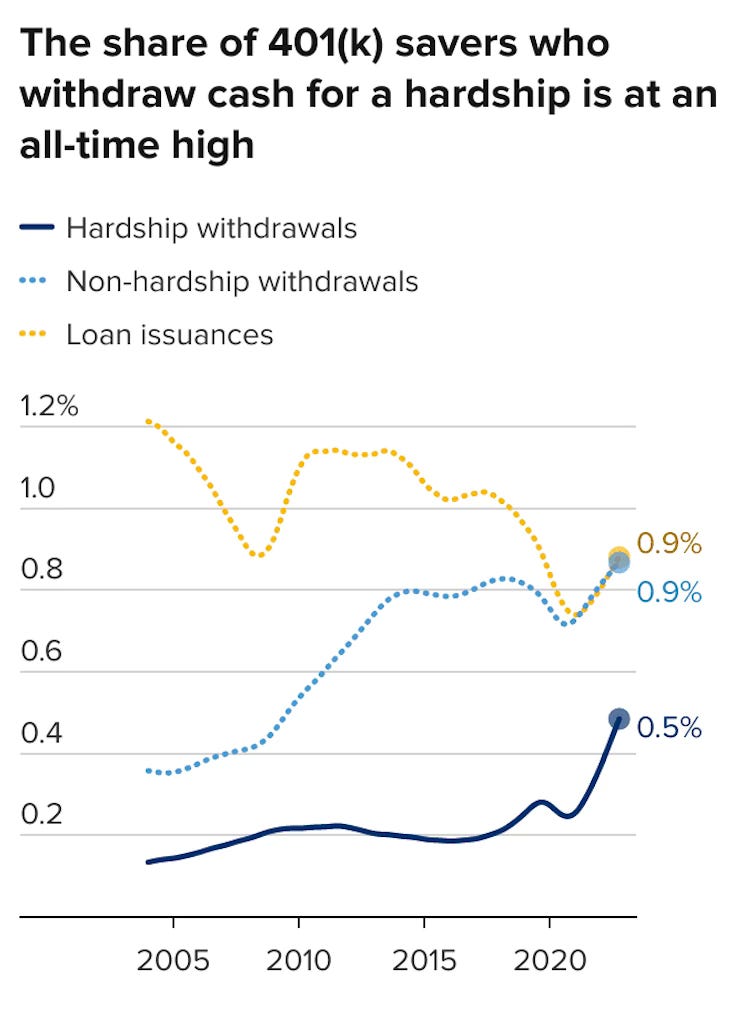
Employees have stopped treating wellness as a proxy for security. A Gartner survey of more than 10,000 employees found much stronger demand for spot bonuses and protection from unanticipated costs. This makes sense as healthcare costs rise, job security erodes, and inflation remains persistent. Wellness benefits, which became popular post-COVID, do not cover an unexpected medical bill. Lower deductibles, a steadier paycheck or help with a recurring cost will carry more weight than another broad wellness menu.
How long should a turnaround take?
Most turnarounds are likely getting judged against the wrong clock. Spencer Stuart’s CEO research finds that companies need about three years for a full reset. Year one is about a credible diagnosis, team and priorities; year two should show movement in retention, product momentum, market share and operations. Given that three years feels like an eternity in this climate, making sure strategy is sharp enough to avoid the need for turnarounds in the first place seems like an especially good investment.
Human-shaped hoops become foundational in post-AI hiring
We’ve talked multiple times about how old hiring evidence is now easy to fake. HR is pushing back, though, and a new set of best practices is emerging: shared documents, live assignments and in-person technical work are becoming foundational. A polished résumé, one-way video answer or take-home assignment no longer tells you much about how a person thinks. Ask candidates to reason through an unfamiliar problem, explain a past decision and respond when the facts change. You are looking for judgment and personality rather than polish.
Data Point: Overboard Onboarding?
60%
Share of onboarding materials employees found relevant, according to an Adobe survey. Adobe also found that employees receive an average of 13 onboarding documents and spend about 12 hours reviewing materials during their first week.
In Other News
Williams-Sonoma to spread tariff refunds to vendors, employees. (HR Dive)
Preparing workers for an uncertain AI future: As more businesses use the technology, Ninth District states are looking for ways to help with training. (Federal Reserve Bank of Minneapolis)
Employers offer loan repayment, ‘re-recruiting’ to attract skilled labor. (Facilities Dive)
Millennials Shared 19 Boomer Workplace Rules They Can’t Wait To Get Rid Of “My fun fact is” no more! (Buzzfeed)
Colorado Unveils New Proposed Rules Implementing Revamped AI Act. (Ogletree Deakens)
What’s the salary? These employers aren’t saying, despite warnings from New York regulators. (Business Insider)
Why Kyndryl introduced a new AI role: We ask IT pros if the human systems architect role will gain traction within the industry. (IT Brew)