


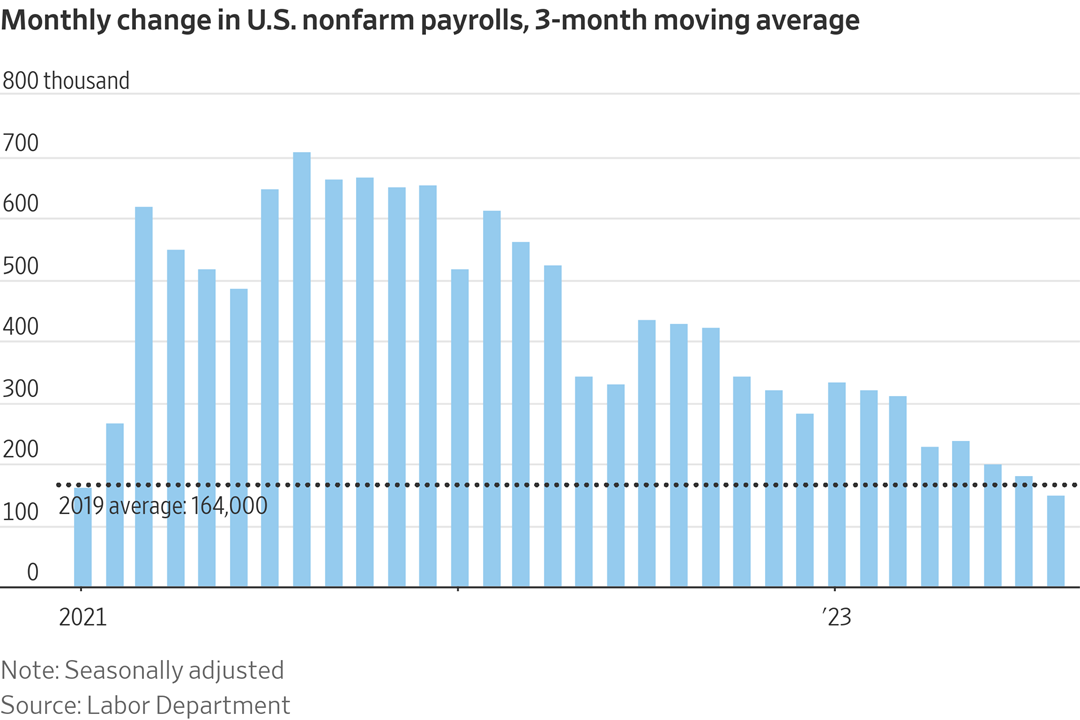
As the dust settles on the "Great Reshuffling," the labor market is showing signs of stabilization, with fewer workers leaving their jobs compared to the peak in 2022 and salary expectations falling to pre-pandemic norms. However, the repercussions of this nearly half of working Americans switching jobs over the last three years are far from over, leaving leaders grappling with a host of new challenges. The most pressing among them is the issue of employee engagement.
The constant churn of employees seeking new opportunities has left many organizations struggling to keep their workforce motivated and committed. Employee disengagement is on the rise as workers who weathered the storm of the pandemic now face burnout from the constant changes in their workplace. Leaders must find innovative ways to rekindle employee enthusiasm and prevent talent attrition.
Management, too, has borne the brunt of the not-so-Great Reshuffling. The demands of adapting to new team dynamics, onboarding fresh talent, and retaining existing staff have taken a toll on leaders. Management burnout is a looming concern that organizations need to address urgently to ensure their leaders remain effective and resilient in these turbulent times.
In this post-reshuffling landscape, organizations must navigate the delicate balance of retaining and engaging their workforce while addressing management burnout. The challenge lies in creating a stable and sustainable workplace environment that can weather future disruptions and adapt to the ever-evolving dynamics of the modern workforce.