


Welcome to the latest edition of Human Capital Intelligence. As always, we would love to hear from you at ken@stibler.me with news ideas, feedback and anything else you find interesting.
Sent this by a friend? Sign up here to receive HCI in your inbox every week.
By Ken Stibler; Powered by Reyvism Analytics
What’s Working
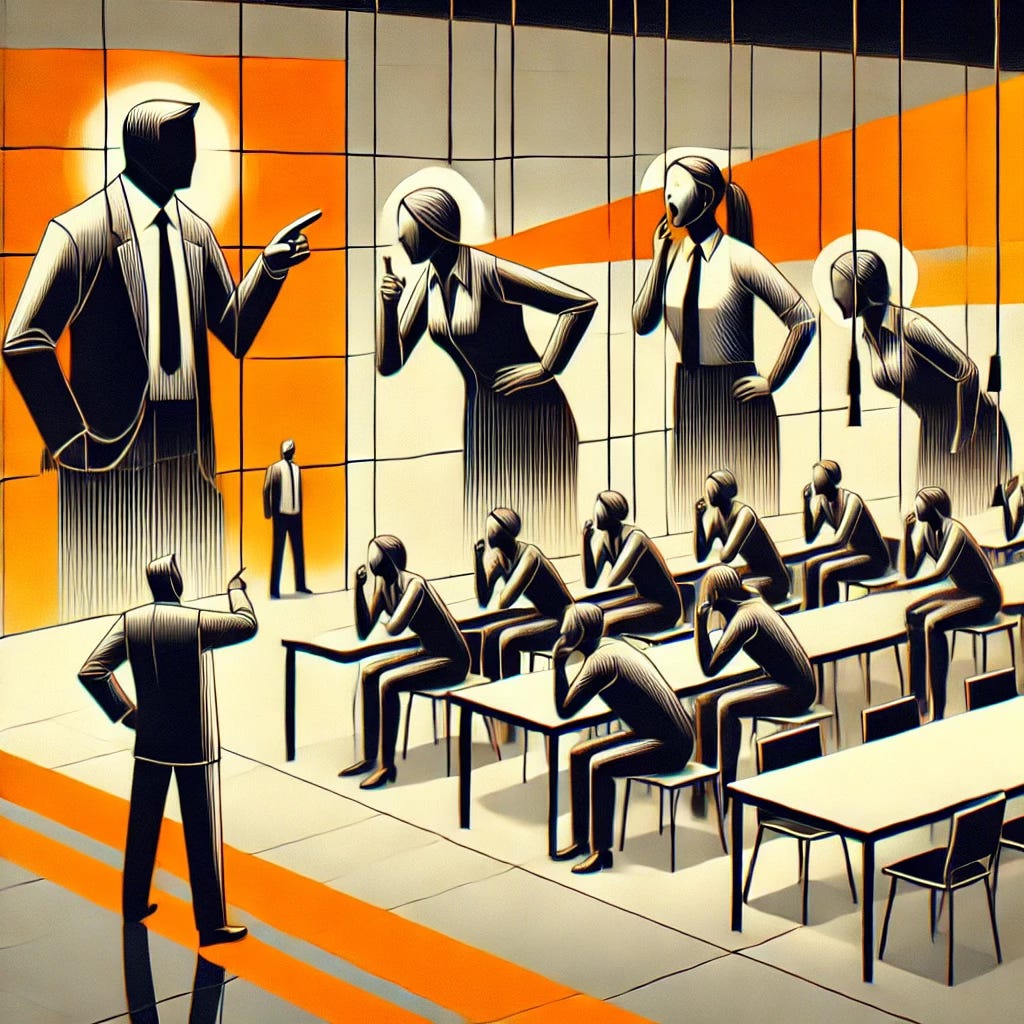
How to motivate amid changing workforce priorities
Business leaders are waking up from the Covid-era to find that traditional methods of motivating employees are no longer as effective as they once were. With shifting priorities and expectations in the modern workplace, it's time to rethink our approach to employee motivation.
Recent research has revealed that the old strategy of pushing through monotonous tasks can actually hinder productivity, and that a more balanced approach incorporating both routine and meaningful tasks, is the key to boosting engagement and performance.
So, what does this mean for your organization? First and foremost, it's crucial to recognize the importance of task management at the individual level. Encourage your employees to structure their day in a way that includes a mix of "boring" and "meaningful" tasks. This balance helps maintain motivation and productivity, as engaging in meaningful activities has been shown to reorient attention and replenish energy levels.
As a leader, you can support this process by empowering your managers to guide employees in strategic daily planning, taking into account the emotional and cognitive loads associated with different tasks.
However, your role in motivating your workforce extends beyond individual strategies. To truly align with changing priorities, it's time to reevaluate your organization's motivational framework.
Traditional management practices that rely heavily on external rewards and strict oversight may no longer be sufficient. Instead, consider adopting a more holistic approach that focuses on fulfilling your employees' core psychological needs: autonomy, competence, and relatedness.
Taking AI from “acronym to action item”
In many of the articles and reports released about AI over the last couple months, the acronym should stand for actually ignorant. Suddenly everyone has an opinion about a technology they probably haven't used - this came to a head for me with a Fast Company article “How managers can leverage the productivity promise of generative AI” which is about as un-actionable and vague as they come, offering neither next steps for managers nor clarity around the productive potential of the tools for small businesses (SMB)
As HCI has discussed before, AI adoption remains a lofty goal for most SMBs, but is increasingly critical to manage rising costs and remain competitive in a shifting marketplace. Yet for many organizations, AI remains more of a buzzword than a practical reality.
The complexity and novelty of the technology can make leaders hesitant to fully embrace it, fearing the potential risks and uncertainties associated with its implementation. However, to truly harness the power of AI and transform it from a flashy new toy into a valuable operational tool, companies must focus on getting the mindset, skillset, and toolset right.
Quote of the Week
“As technology, globalization, and demographic shifts, we are asking more of employees than we’ve ever asked before—we’re asking them, in short, to be superhumans,”
— SHRM CEO Johnny C. Taylor, Jr.,
Reading List

A changing economy puts new pressures on workers of all types
Tech-driven economic disruption is placing unprecedented demands on workers across sectors and reshaping expectations across the organization. LinkedIn's Chief Operating Officer, Dan Shapero, notes that the most critical interview question of 2024 is likely to be, "Tell me about how you use AI in your job." This shift highlights the growing importance of adaptability and the ability to integrate new technologies into one's work, regardless of age or experience level.
Amid a trust recession here are two trends to avoid
A complex operating environment is tempting some companies into increasingly questionable practices that may erode employee trust and tarnish their reputation. Two such trends that have recently come to light are "silent layoffs" and "quiet firing." In the case of silent layoffs, companies provide staff with severance packages but ask them to keep the details of their exit confidential. This approach, while intended to minimize negative publicity, can backfire if the news leaks, leading to a breakdown of trust among current employees and the general public.
Rapid development of ‘AI coworker’ forces CEOs to make abstract assessments of the balance between man and machine
The rapid advancement of artificial intelligence is compelling business leaders to confront the abstract question of how to balance human and machine capabilities in the workplace. As AI systems become increasingly autonomous, requiring less human oversight, CEOs must navigate the challenges of integrating these "AI coworkers" while considering the impact on employee privacy, agency, and job roles.
Stat of the Week
In Other News
Walking the line between manager and therapist. (WorkLife)
Why You Should Conduct More Training During Slower Summer Months. (Forbes)
Why learning strategies must evolve to support a workforce of digital natives. (Fast Company)
Where talent acquisition processes fail — and how to fix them. (HR Dive)
The 2024 Layoff Landscape Is Better Than You Might Think: In Q2, layoffs remain historically low--and small businesses are even eager to hire. (Inc)
Job seekers say they’re focused on pay, job security. (HR Dive)
Why traditionally full-time jobs are turning part-time. (WorkLife)
American 401(k) savings rates reach all-time high. (Employee Benefits News)
7 tips for workplace documentation that holds up in court, according to a compliance trainer. (HR Dive)
How CHROs can strengthen their careers with informal advisors. (HR Executive)
Looser dress codes mean even CEOs are ditching their loafers for more casual shoes. (Bloomberg)
Gen Z are increasingly becoming NEETs by choice—not in employment, education, or training. (Fortune)
Elon Musk and other DEI critics are latching on to ‘Merit Excellence and Intelligence,’ a new hiring catchphrase. (Fortune)
No s**t of the week: Gen Z workers think showing up 10 minutes late to work is as good as being on time—but baby boomer bosses have zero tolerance for tardiness, research reveals. (Fortune)
Workers are tuning out Zoom as number of meetings grows. (Axios)
Don’t request feedback only to ignore it, report reminds employers. (HR Dive)